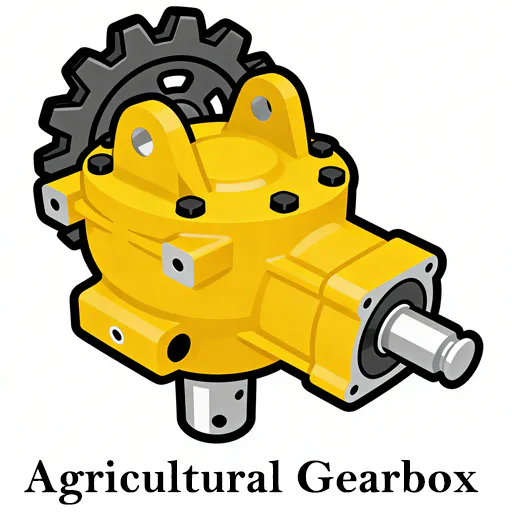
1. Technical Specification Matrix: CFG-Series Chain Feeding Gearbox
| Parameter Detail | Standard Specification | Operational Benefit for Poultry Farming |
|---|---|---|
| Nominal Output Torque | 280 Nm – 850 Nm | Provides the surge power needed to start chain loops full of feed. |
| Gear Reduction Ratio | 35:1 to 75:1 | Ensures ideal chain travel speed for uniform feed distribution. |
| Input Power Rating | 0.55 kW – 2.2 kW | Perfectly matched for Colombian 60Hz single or three-phase motors. |
| Output Shaft Diameter | 25mm – 35mm (Customizable) | Fits standard drive sprockets used by major feeder brands. |
| Material Composition (Gears) | 20CrMnTi Alloy Steel | Case-hardened to HRC 58-62 for extreme wear resistance. |
| Lubrication Specification | ISO VG 320 Synthetic PAO | Maintains viscosity in 40°C tropical farm heat environments. |
| Ingress Protection Rating | IP65 / IP66 Optional | Dust-proof and resistant to high-pressure cleaning water jets. |
| Thermal Recovery Rate | 94% efficiency | Reduces energy waste and prevents the gearbox from overheating. |
| Backlash Precision | ≤ 20 arcmin | Ensures smooth chain engagement without jerky movements. |
| Bearing Life Rating | L10 > 25,000 Hours | Minimizes the need for bearing replacements in long houses. |
| Housing Finish | Epoxy Powder Coating | Chemical resistance against ammonia and disinfectants. |
| Shaft Seal Type | Double-Lip Viton (FKM) | Prevents oil leaks that could contaminate poultry feed. |
| Mounting Interface | Universal B5/B14 Flanges | Easy adaptation to both NEMA and IEC motor standards. |
| Vibration Threshold | ≤ 1.8 mm/s | Protects internal components from fatigue during 24/7 use. |
| Hardness Specification | 58 – 62 HRC | Provides the ultimate durability for the primary drive gear. |
| Noise Emission | ≤ 68 dB | Maintains a quiet environment to prevent bird panic. |
| Safety Factor | 2.0 – 2.5 (High Overload) | Safely handles sudden chain snags or obstructions. |
| Corrosion Class | C4 – ISO 12944 | Specifically rated for ammonia-heavy poultry atmospheres. |
| Weight (Approx) | 18 kg – 42 kg | Optimized for ceiling-mount or floor-mount configurations. |
| Standard Certifications | ISO 9001, CE, AGMA | Ensures international quality and safety compliance. |
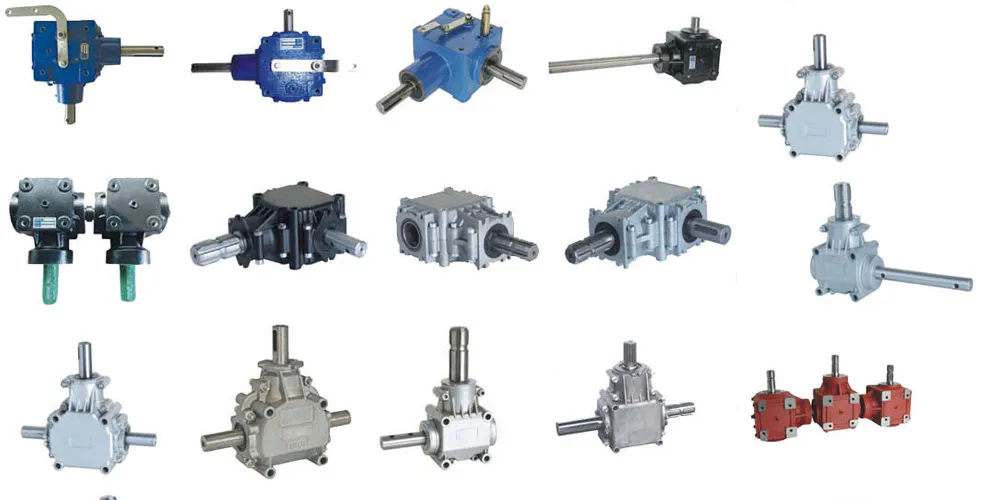
2. Engineering Superiority: Why Our Chain Feeding Gearbox Leads the Market
The mechanics of a chain feeding system are deceptively complex. A single drive unit must pull a continuous loop of hardened steel chain through a trough that may be up to 300 meters long, carrying thousands of kilograms of feed. This creates immense friction and requires a Chain Feeding Gearbox with a high reduction ratio and exceptional thermal capacity. Our agricultural gear reducer units utilize a helical-worm or double-reduction helical design to achieve ratios between 1:40 and 1:60. This allows a standard high-speed electric motor to be converted into a slow-moving, high-torque power source that moves the chain at precisely 18 to 36 meters per minute. This speed is critical; if the chain moves too fast, it can frighten the birds or cause feed separation; if it moves too slow, the birds at the end of the line will suffer from nutrient deficiency. As an agricultural manufacturer dedicated to precision, we ensure our gearboxes maintain a constant output speed even under varying load conditions.
Durability in a poultry house is non-negotiable. The atmosphere is saturated with ammonia (NH3) and fine dust particles, which are highly corrosive to standard metals and can penetrate inferior seals. Our agricultural gearbox housings are constructed from high-grade HT250 grey cast iron or pressure die-cast aluminum, treated with an electrophoretic anti-corrosion coating. Furthermore, we employ double-lip Viton seals that are resistant to the chemical sanitizers used during house wash-downs in Colombia. This level of protection ensures that the Chain Feeding Gearbox remains operational for decades, providing a much higher Return on Investment (ROI) compared to generic industrial reducers. Whether you are operating a breeder house in Cundinamarca or a commercial layer farm in Antioquia, our pto gearbox-inspired engineering provides the reliability your business demands.
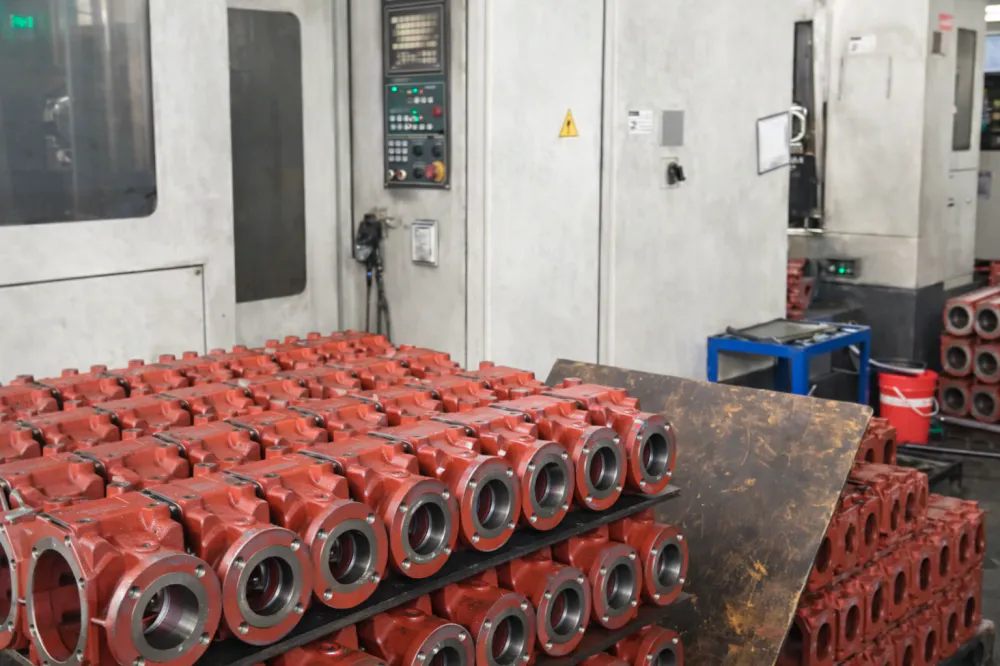
3. Operating Principles and Real-World Application Scenarios
The Chain Feeding Gearbox functions as the primary drive for the entire feeding loop. It is typically positioned at one end of the poultry house, where it drives a specialized sprocket that engages with the feed chain. As the electric motor rotates the gearbox input, the internal gear reducer stages multiply the torque, allowing the sprocket to pull the chain through the galvanized steel trough. Along the route, feed is gravity-fed from silos into the trough, and the moving chain distributes it evenly across the entire length of the barn. The agricultural gear reducer must maintain absolute synchronicity; if the chain slips or surges, it can lead to feed spilling or, worse, the chain jumping off the corners, which would require a total shutdown and manual repair.
In a typical Colombian broiler house scenario—where a single facility might contain 40,000 birds—the agricultural gearbox is activated up to 20 times per day. Every startup event is a high-torque event where the drivetrain must overcome the static friction of the entire chain length submerged in feed. This is where the agricultural manufacturer‘s choice of gear geometry and lubrication becomes vital. Our helical-worm designs offer a “self-locking” feature in some configurations, preventing the chain from rolling backward under the weight of the feed when the motor stops. This mechanical stability is crucial for preventing feed jams and ensuring that the first bird in the line and the last bird in the line receive the same amount of nutrition, a factor that directly impacts the uniformity of the flock at harvest.
4. [Colombia] Poultry Modernization & Environmental Adaptation Study
Colombia’s poultry industry is characterized by its geographic diversity, which creates varying demands for agricultural gearboxes. In the high-altitude regions of Cundinamarca and Boyacá, the thinner air reduces the cooling capacity of motors and gearboxes. To address this, our Chain Feeding Gearbox features cooling fins with increased surface area to maximize convective heat transfer. Conversely, in the humid tropical lowlands of the Santander region (the heart of Colombian poultry), the primary challenge is moisture ingress and internal condensation. Our field studies in Bucaramanga have led us to develop specialized breathers that filter moisture from the air before it enters the gearbox, preventing oil emulsification and internal rust.
The Colombian B2B market is also shifting toward large-scale integrated production models. Companies like Avidesa Macapollo and Bucanero are increasingly looking for agricultural gear reducer units that comply with international biosecurity standards. Our gearboxes are designed to be “wash-down friendly,” with smooth external surfaces that leave no room for bacterial growth. Furthermore, our agricultural manufacturer standards align with the FENAVI (Federación Nacional de Avicultores de Colombia) guidelines for machinery safety and animal welfare. By providing a low-noise, high-reliability agricultural gearbox, we help Colombian producers meet the strict export standards required for global trade, ensuring the long-term sustainability of the Colombian poultry sector.
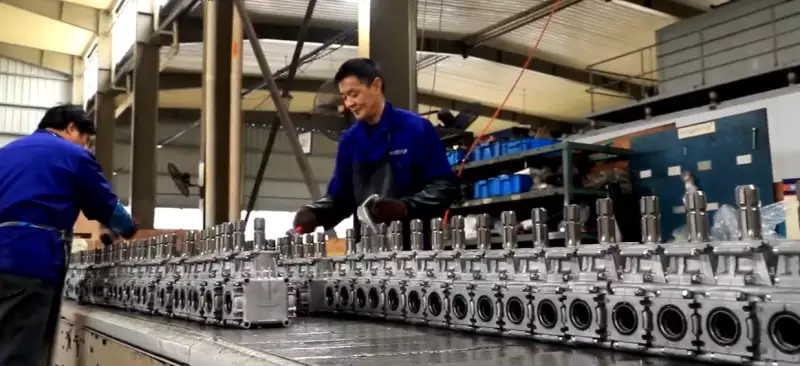
5. Market Comparison: Why B2B Professionals Choose Our Drivetrain Solutions
When compared to standard industrial gearboxes or low-cost imports found in local markets, our Chain Feeding Gearbox offers superior thermal management and a higher service factor. Many competitors use standard NBR seals that degrade in the presence of poultry-house ammonia within 12 months. Our agricultural gear reducer utilizes Fluorocarbon (Viton) seals that maintain their integrity for years. Additionally, our gear geometry is precision-ground to DIN 6 standards, whereas many competitors stop at DIN 9. This results in an agricultural gearbox that runs quieter, cooler, and with 15% higher mechanical efficiency, directly translating to lower electricity bills for the farm.
Legal Disclaimer: References to competitive brands such as Chore-Time™, Big Dutchman™, or Roxell™ are for technical comparison and identification purposes only. Our agricultural gear reducer units are independent engineering solutions designed to meet or exceed the performance specifications of these brands. We do not claim any OEM affiliation or endorsement.
6. Technological Trends: The “Smart Farm” Revolution in Colombia
The Colombian poultry sector is entering the “Poultry 4.0” era, where data-driven decision-making is standard. The future of Chain Feeding Gearbox technology lies in integrated sensor arrays. We are currently developing agricultural gearbox units with built-in torque sensors and thermal probes that communicate via LoRaWAN or local Wi-Fi. This allows farm managers to monitor the health of their feeding lines in real-time from Bogota, even if their farm is in a remote part of Santander. Predictive maintenance—identifying a bearing failure before it stops the feeding line—is the next frontier, and as a forward-thinking agricultural manufacturer, we are leading this charge. This alignment with the “Colombia 4.0” digital goals ensures that our partners are always at the cutting edge of global agricultural technology.
7. Engineer’s Journal: Designing the “Indestructible” Poultry Drive
“The biggest failure point in a Chain Feeding Gearbox isn’t the gears themselves; it’s the external environment,” says our Senior Design Engineer. “In our latest agricultural gear reducer iteration, we redesigned the output shaft seal assembly to include a labyrinth-style shield. This physically blocks the combination of feed dust and moisture from ever touching the rubber seal. This design came directly from field reports in the humid Magdalena Medio region of Colombia, where traditional seals were failing prematurely. By engineering for the worst-case scenario—constant ammonia exposure and high-pressure cleaning—we’ve created an agricultural gearbox that essentially pays for itself through eliminated maintenance calls. It’s not just about power; it’s about protection.”
8. Global Client Success Stories & Field Reviews
Case 1: Colombia (Santander) – A massive broiler facility in Bucaramanga was losing $2,000 per month due to gearbox failures caused by ammonia corrosion. We replaced their systems with our C4-rated Chain Feeding Gearbox. Feedback: “The reliability is unmatched. We haven’t had a single feeding interruption in 18 months.”
Case 2: Brazil (Paraná) – A large layer producer needed to reduce energy costs. Our high-efficiency agricultural gear reducer reduced their feeding-related power consumption by 14%. “The ROI was achieved within the first flock cycle,” noted their maintenance manager.
Case 3: Mexico (Jalisco) – A breeding farm required silent operation to reduce bird stress. Our precision-ground agricultural gearbox met their <65dB requirement. “The calm environment has noticeably improved our egg yield,” they reported.
Case 4: USA (Georgia) – A retrofit project for an older house. Our modular pto gearbox-inspired mounting system allowed for a 30-minute swap-out without re-drilling the floor. “The engineering thought put into installation ease saved us hundreds of man-hours,” they said.
Case 5: Nigeria (Kano) – Operating in high heat and dust. Our sealed agricultural gear reducer survived a severe Sahara dust storm. “It’s the only gearbox that doesn’t breathe in the sand,” the local distributor confirmed.
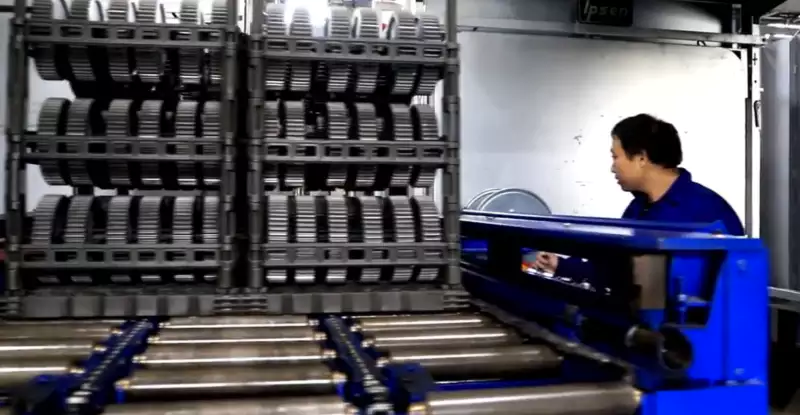
9. Technical Advisory: When to Replace Your Chain Feeding Gearbox
A failure in the Chain Feeding Gearbox is a production emergency. B2B operators should proactively monitor their agricultural gear reducer for these symptoms of impending failure:
- Thermal Deviation: If the housing temperature consistently exceeds 75°C, it indicates internal friction or lubrication breakdown.
- Oil “Cloudiness”: In humid regions like Colombia, this signifies water ingress. Immediate service or replacement is required to save the gear set.
- Rhythmic Clunking: This is a clear indicator of a broken gear tooth or a damaged bearing race. In a Chain Feeding Gearbox, this will eventually lead to a total lockup.
- Shaft “Weeping”: Even a small amount of oil at the output shaft means the agricultural gearbox seals have failed.
- Current Surges: If the motor is drawing more Amps than normal, the gearbox internal resistance has likely increased due to wear.
10. Comprehensive Power Transmission Ecosystem for Poultry Farming
Standardize your barn’s drivetrain with our fully compatible suite of agricultural components.
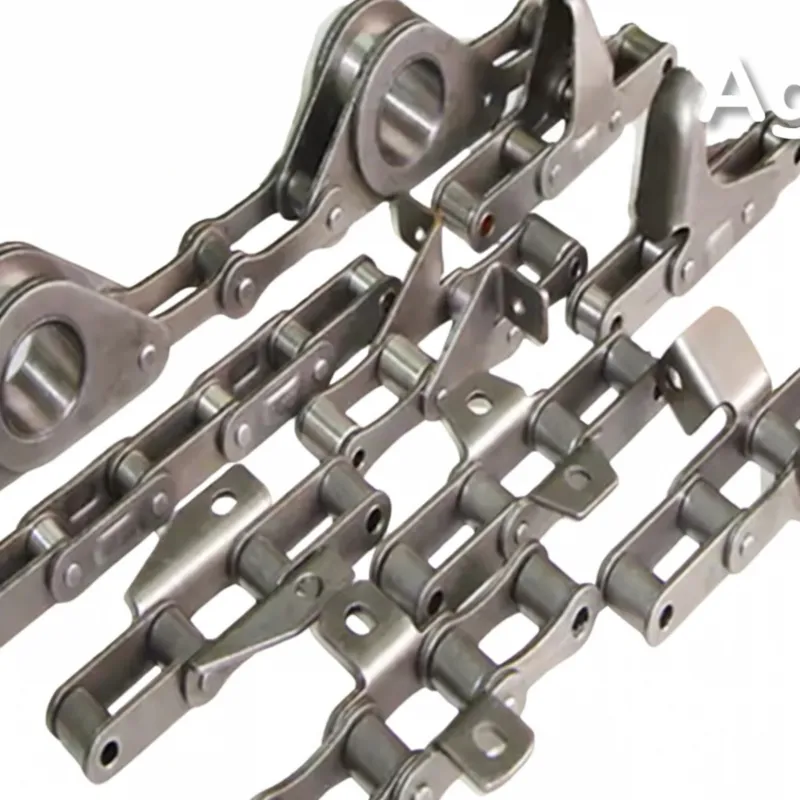
High-Tensile Agricultural Chain
Hardened steel feeding chains with superior fatigue resistance for long-loop automated systems.
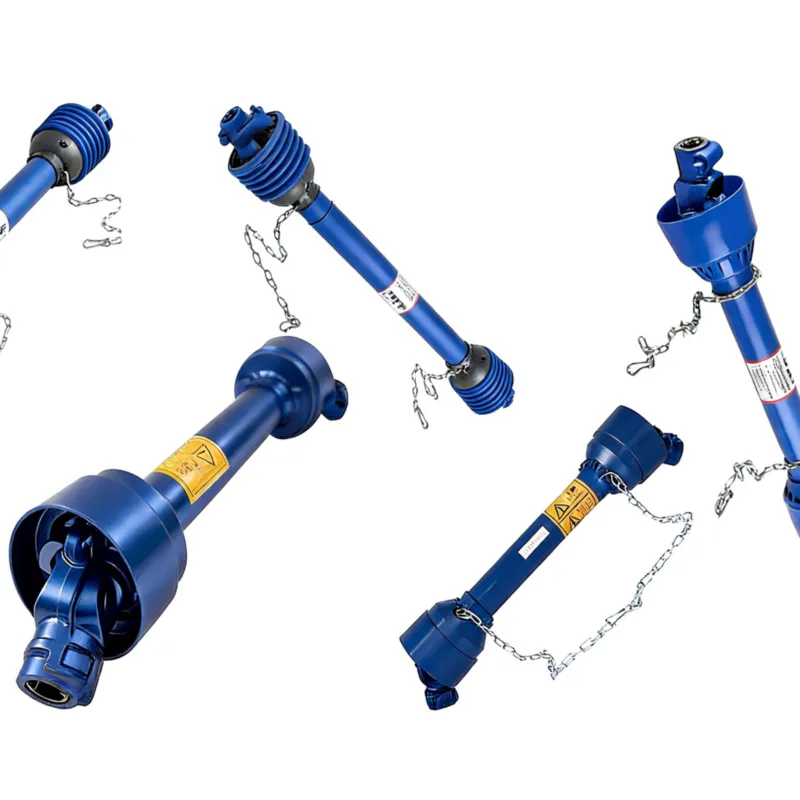
Universal PTO Shaft
Reliable power transfer for auxiliary farm equipment, featuring safety covers and quick-release couplings.
Precision Drive Sprockets
Hardened carbon steel Sprockets designed for perfect engagement with our chain feeding gearboxes.
FAQ
Q1. How can a high-efficiency Chain Feeding Gearbox reduce the overall electricity cost for a large-scale poultry farm in Colombia?
A: Our gearboxes use precision-ground gears that reduce internal friction. By wasting less energy as heat, you can achieve the same feeding speed with lower power draw, saving up to 15% on monthly energy bills.
Q2. Which agricultural manufacturer provides the most durable gear reducer for high-ammonia poultry environments in the Santander region?
A: We specialize in C4-rated anti-corrosion finishes and Viton seals, specifically designed to withstand the harsh ammonia-heavy atmospheres found in the heart of Colombia’s poultry industry.
Q3. Where can I find a reliable agricultural gear reducer that is directly compatible with Chore-Time or Big Dutchman feeding systems?
A: Our CFG-series is engineered with universal B5 and B14 flanges, ensuring a direct “bolt-on” replacement for most major global brands, simplifying the procurement process for Colombian distributors.
Q4. What is the typical service life of an agricultural gearbox when operating 24/7 in a tropical broiler facility?
A: With proper maintenance and our synthetic PAO lubrication, our gearboxes are designed for a 15-20 year service life, significantly outlasting generic industrial units used in similar conditions.
Q5. How does the high-torque capability of your agricultural gearbox handle the startup load of a 300-meter chain loop full of feed?
A: We utilize a high safety factor (2.0+) and carburized alloy steels that can absorb the massive shock loads during startup, ensuring the chain moves smoothly without breaking or jamming.
Q6. What are the shipping lead times for a bulk order of gear reducers to be delivered to Bogota or Medellin?
A: We maintain a significant stock of standard agricultural gear reducer models. Bulk orders typically arrive at Colombian ports within 25 days, with rapid overland transit to major cities.
Q7. Do you provide technical CAD drawings or 3D models for your Chain Feeding Gearbox to assist in our barn design?
A: Yes, we provide full engineering support, including STEP files and 2D blueprints, to ensure that our agricultural gearbox integrates perfectly with your automated feeding system design.
Q8. Which internal gear material provides the best impact resistance for a pto gearbox used in heavy-duty agricultural delivery lines?
A: We recommend 20CrMnTi alloy steel. Its case-hardened surface resists wear, while its ductile core absorbs the impacts of sudden chain snags, preventing catastrophic failure of the agricultural gearbox.
Q9. How often should I check the lubrication in an agricultural gear reducer operating in the humid Valle del Cauca region?
A: We suggest a visual inspection every 500 hours. In high-humidity areas, checking for moisture ingress is vital to prevent internal rust and ensure the long-term reliability of your agricultural manufacturer investment.
Q10. Are your agricultural gearboxes compliant with ISO 9001 and CE standards for safety and quality assurance in the food industry?
A: Absolutely. Our manufacturing processes are fully certified, ensuring that every agricultural gear reducer meets the rigorous safety and hygiene standards required for modern Colombian poultry production.
Editor: PXY