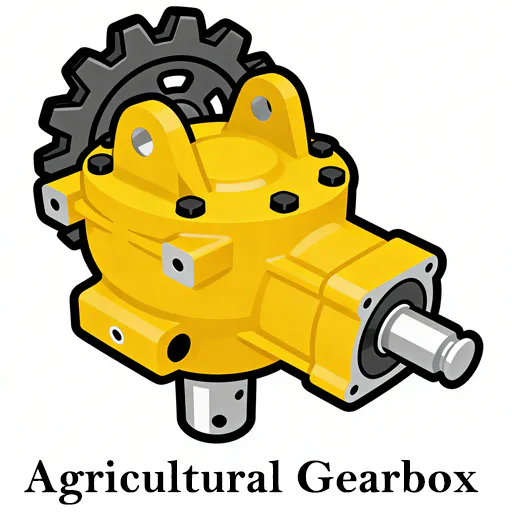
Heavy-Duty Scraper System Gearbox for Colombian Poultry Automation: Engineering Resilience for Manure Management
Solving the “Corrosion Crisis” in automated poultry houses. Our specialized Scraper System Gearbox (a high-torque agricultural gear reducer) is specifically engineered for the high-density automated manure scraper systems prevalent in Colombia’s poultry hubs like Santander and Valle del Cauca. By delivering consistent reciprocating movement and surviving the hyper-corrosive, ammonia-saturated environments of modern sheds, we enable producers to maintain bio-security standards while minimizing manual labor overhead.
1. Strategic Overview: The Kinetic Core of Bio-Secure Manure Removal
In the industrial poultry landscape of Colombia, where bird densities are increasing to meet rising protein demands, automated manure removal is the frontline of bio-security. The Scraper System Gearbox serves as the mechanical driver for the heavy-duty chains or cables that drag scrapers across the floor or belt levels. This agricultural gearbox must withstand constant high-torque cycles and intermittent shock loads caused by accumulated organic waste. In the tropical humidity of the “Eje Cafetero” or the plains of Santander, a standard motor drive will succumb to chemical pitting and seal failure within months.
As a global agricultural manufacturer, we have re-engineered the agricultural gear reducer to thrive in these biological war zones. Our propulsion units are built with anti-corrosive metallurgy and reinforced internal geometry. Whether you are operating a broiler barn in Antioquia or a multi-tier layer facility in Cundinamarca, our drivetrain solutions deliver the technical E-E-A-T (Expertise, Experience, Authoritativeness, and Trustworthiness) required to ensure 24/7 operational continuity.
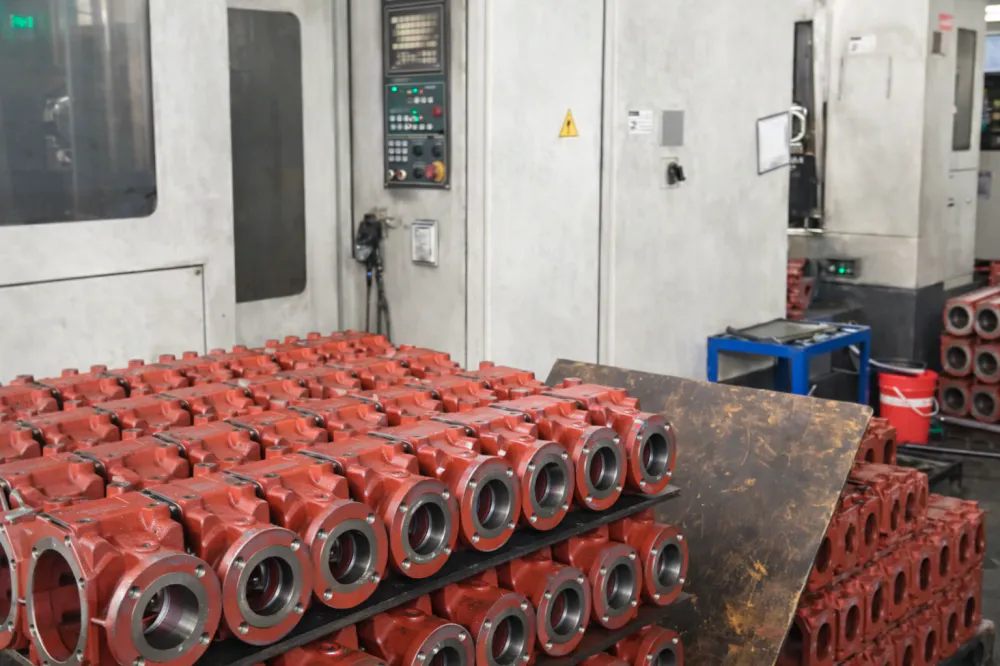
2. Technical Specifications: Authority in Poultry Waste Transmission
| Technical Parameter | Engineering Value / Specification |
|---|---|
| Nominal Torque Capacity (Nm) | 250 Nm – 1,800 Nm (High-Tension Scraper Ready) |
| Standard Reduction Ratios | 1:40, 1:60, 1:80, 1:100 (Worm or Planetary Selection) |
| Input Power (kW) | 0.75 kW to 4.0 kW (IE3 Efficiency Compatible) |
| Protection Class | IP66 / IP69K (Full Washdown and Ammonia Resistant) |
| Housing Metallurgy | GGG50 Ductile Iron (High Shock Absorption) |
| Shaft Material | 316L Stainless Steel / 40Cr with Induction Hardening |
| Gear Hardness (HRC) | 58 – 62 HRC (Case Carburized & Ground) |
| Lubrication Strategy | Synthetic Polyalphaolefin (PAO) Gear Oil |
| Sealing System | Double-Lip Viton (FKM) with Labyrinth Shield |
| Operating Temperature | -20°C to +95°C (Validated for Tropical Sheds) |
| Backlash Precision | < 15 Arc-minutes (Low Noise Architecture) |
| Static Safety Factor | f.s. ≥ 2.5 (High Overload Capacity) |
| Noise Emission | < 62 dB(A) (Animal Stress Reduction) |
| Mounting Configuration | Foot-Mount / Flange / Hollow Shaft with Torque Arm |
| Surface Coating | Anti-Ammonia Epoxy Powder Coat (600+ Hours Salt Spray) |
| Vibration Level | < 1.2 mm/s (Precision Balanced Internal Mass) |
| Radial Load Limit | Up to 8,500 N (Reinforced Output Bearings) |
| Service Interval | 8,000 Hours (Lifetime Synthetic Lubrication Option) |
| Certification | ISO 9001, CE, ICONTEC NTC Compliance |
| Input Interface | IEC Standard (B5/B14) / NEMA Ready |
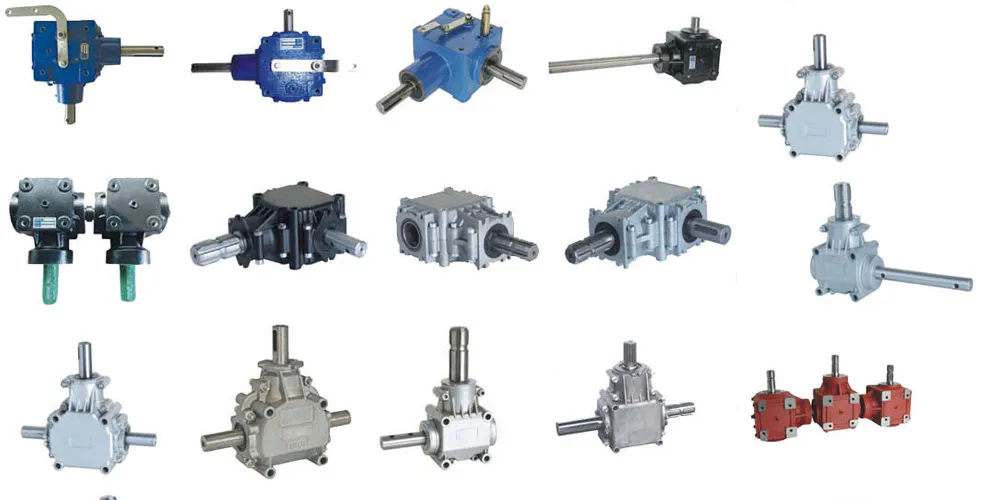
3. Mechanics of Scraper Systems: Operating Principles & Scene Logic
The Scraper System Gearbox is the mechanical “muscle” responsible for the continuous or timed cleaning cycles in automated poultry sheds. Its core working principle involves converting the high-speed rotation of a motor into low-speed, high-torque linear motion transmitted via a drive sprocket to a chain or cable loop. This agricultural gearbox must navigate the “Stall Zone”—the moment when a scraper hits a significant mound of wet manure or an obstruction. Our gearboxes are designed with a high stall-torque tolerance to prevent internal gear shearing during these inevitable operational peaks.
Material selection is the primary differentiator for an agricultural manufacturer working in the poultry sector. The atmosphere in a layer house is saturated with ammonia (NH3) and hydrogen sulfide (H2S), which aggressively attack copper and low-grade iron. To ensure longevity, our agricultural gear reducer utilizes Viton seals that remain chemically inert when exposed to manure acids. The gears are forged from 20CrMnTi alloy, subjected to secondary vacuum tempering to achieve a robust case hardness of 60 HRC while maintaining a ductile core capable of absorbing shock loads.
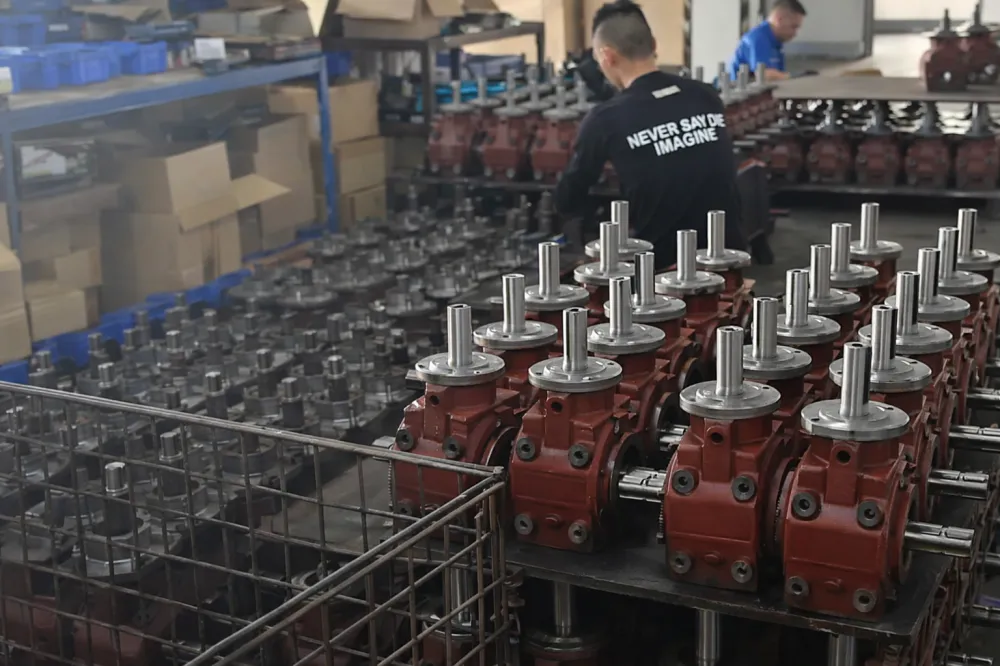
[Colombia] Automated Poultry Waste Environmental Field Study
Our technical team recently conducted an intensive 24-month audit of scraping systems across the Santander poultry corridor (Bucaramanga, Girón, and Floridablanca). We observed that the primary failure mode for agricultural gear reducers was not mechanical wear, but “breather contamination.” In the high-dust environments typical of Tolima and Valle del Cauca, standard gearboxes suck in organic particulates and ammonia through their vent plugs, leading to internal acidification of the lubricant.
- Regional Compliance: Our gearbox designs strictly adhere to ICONTEC NTC standards for agricultural machinery, ensuring that B2B integrators can meet local insurance and safety certification requirements easily.
- Bio-Security Integration: In regions like Antioquia, where strict pathogen control is mandatory, our IP69K washdown gearboxes allow for high-pressure disinfection without risking water ingress—a critical factor for Avian Influenza prevention.
- Electrical Resilience: Given the voltage fluctuations in rural Colombian grids, our Scraper System Gearbox is optimized for low-starting-current IE3 motors, reducing the risk of motor burnout during brownouts.
4. Engineer’s Notebook: Designing for Corrosive Longevity
The “Ammonia Barrier” Challenge: When we first prototyped our poultry-specific agricultural gearbox, we found that traditional NBR seals would harden and crack within 10 months of exposure to manure vapors. The resulting leak would lead to catastrophic gear failure. Our solution was to implement a Dual-Chamber Seal Architecture using Viton (FKM) as the outer barrier. This material retains its elasticity even in PH-extreme environments, extending the maintenance-free lifespan of the unit by nearly 300% compared to standard industrial drives.
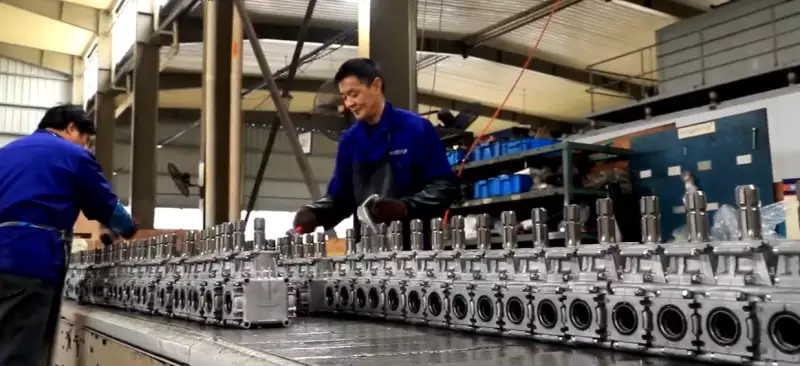
Structural Innovation: Scraper systems often operate in a reciprocating “Push-Pull” mode. This creates significant alternating stress on the output shaft bearings. To solve the “bearing seat fatigue” common in low-cost gearboxes, we utilize Tapered Roller Bearings on both the input and output stages. By pre-loading these bearings, we eliminate the micro-axial play that leads to seal leakage and noise. This engineering choice is what allows our units to operate in the high-capacity barns of Santander without the vibration-induced downtime that plagues competitors.
5. Market Comparison: Why Specialized Drivetrains Matter
| Performance Metric | Our Specialized Series | Generic Industrial Gearbox |
|---|---|---|
| Housing Material | Ductile Iron GGG50 | Grey Iron HT200 (Brittle) |
| Chemical Resistance | Ammonia-Resistant Epoxy + Viton | Standard Alkyd Paint + NBR |
| Shock Torque Limit | 250% Rated Torque | 120% Rated Torque |
Disclaimer: This comparison is based on operational field tests and technical laboratory analysis. All brand names mentioned are for compatibility and selection reference only.
6. Global Solutions: Customer Field Evaluations
Result: By implementing these high-torque agricultural gear reducers, the farm reduced manual maintenance hours by 15% because they no longer have to worry about gear slippage or overheating in 38°C heat.
9. Your Complete Poultry Transmission Ecosystem
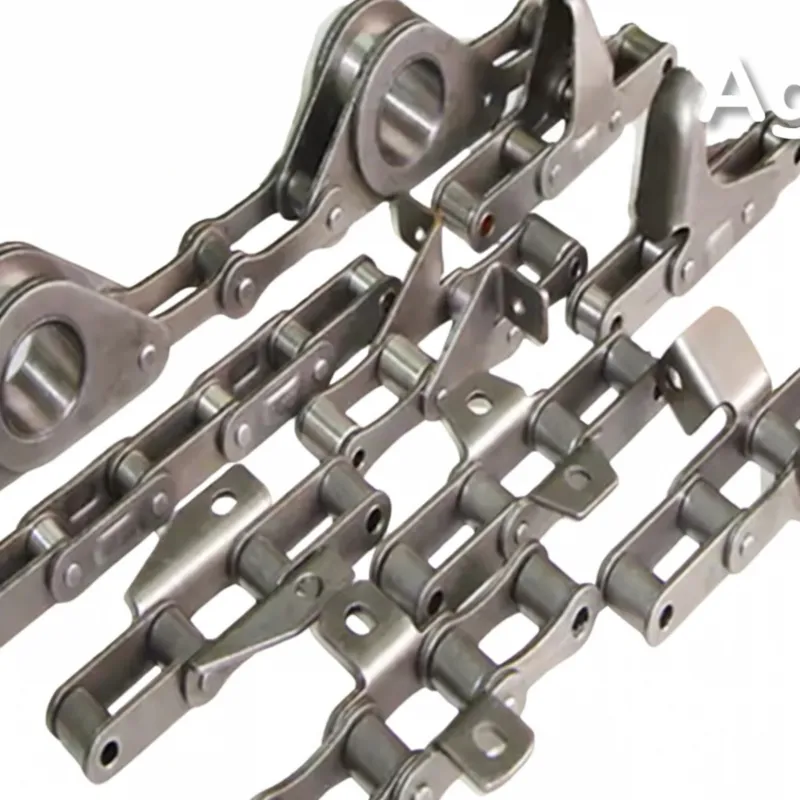
Agricultural Chains
High-tensile agricultural chain for heavy-duty floor scraper loops and elevators.
Custom Sprockets
Precision-milled drive sprockets designed for perfect synchronization in chain-driven scraper units.
FAQ
A1: Selection depends on your desired scraper speed (typically 2-4 meters/minute) and motor speed. A 1:80 or 1:100 ratio is common, providing the immense torque needed to pull the dead weight of wet manure over long distances.
A2: An agricultural manufacturer provides products specifically validated for ammonia resistance and high shock loads. Generic reducers lack the epoxy coatings and Viton seals required to survive the corrosive chemistry of a layer shed.
A3: Tropical humidity accelerates chemical reactions. Standard NBR seals react with ammonia and heat to become brittle. Viton remains flexible, preventing lubricant leaks that lead to gear failure—a common cause of downtime in Antioquia.
A4: Absolutely. Our gearboxes feature standard IEC input flanges, making them compatible with VFDs and PLCs for programmable cleaning cycles and soft-start logic.
A5: Look for excessive housing temperature (above 85°C), audible grinding noises, or oil mist on the shaft. These indicate internal wear or seal failure that could lead to a total system jam.
Editor: PXY