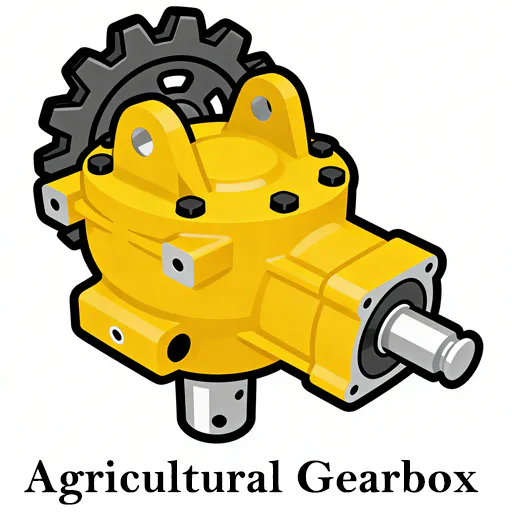
1. Engineering Specifications: Technical Benchmark for Automated Feeding
| Technical Parameter | Engineering Specification / Value |
|---|---|
| Nominal Torque Output (Nm) | 180 Nm – 550 Nm (Scalable for Line Length) |
| Input Speed (RPM) | 1,450 RPM / 1,750 RPM (Standard Servo/AC Motors) |
| Reduction Ratio Options | 1:5, 1:7.5, 1:10, 1:15, 1:25, 1:40 |
| Housing Material | Precision Cast Aluminum / Ductile Iron (Anticorrosive) |
| Gear Type | Hardened Helical / Worm Combination (Dual-Stage) |
| Surface Hardness (Gear Teeth) | HRC 58-62 (Induction Hardened) |
| Lubrication Class | Synthetic Food-Grade Oil (NSF H1 Certified) |
| Protection Rating | IP65 (Dust-proof, Wash-down resistant) |
| Operating Temperature Range | -10°C to +95°C (Validated for Shed Heat) |
| Shaft Configuration | Hollow Keyway Output / Solid Spline Option |
| Bearing Brand / Standard | NSK/SKF Tapered Roller Bearings (High Load) |
| Noise Emission Level | < 58 dB(A) (Low Stress Environment) |
| Efficiency Factor (%) | η ≥ 92% (Energy Efficient Drive) |
| Oil Seal Technology | Double-Lip Viton® (Resistant to Ammonia) |
| Thermal Dissipation Method | Integrated Heat Fins (Natural Air Convection) |
| Maximum Radial Load (N) | Up to 6,500 N (Reinforced Tapered) |
| Service Factor (S.F.) | 1.5 – 2.0 (High Reliability) |
| Vibration Peak (mm/s) | < 1.2 mm/s (Precision Ground Gears) |
| Mounting Orientation | Universal (B3, B5, V5, V6) |
| Finish/Coating | Epoxy Powder Coating (Antibacterial Surface) |
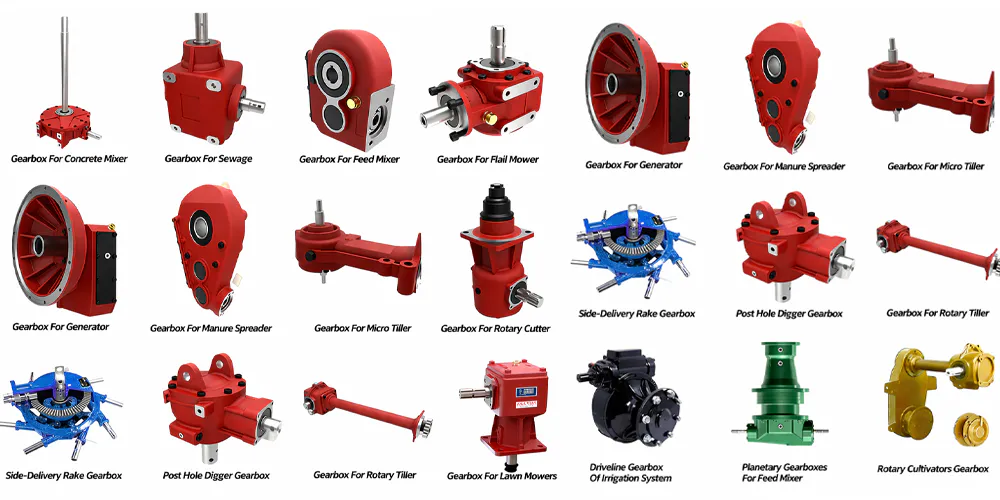
2. Strategic Advantage: Why the Pan Feeding Gearbox is the “Brain” of Your Poultry Shed
In the intensive broiler production landscape of Colombia, where humidity and high bird density are constant factors, the reliability of the Pan Feeding Gearbox cannot be overstated. This agricultural gearbox is responsible for driving the auger system that transports feed from the main hopper to individual pans throughout the shed. Any interruption in this process directly affects the biological growth curve of the birds. A failure in the drive system during a peak growth phase can lead to uneven weight distribution and increased mortality rates.
As a leading agricultural manufacturer, we understand that poultry equipment must be “set and forget.” Our agricultural gear reducer is designed for low-noise operation—a critical feature for reducing bird stress during the sensitive initial weeks. By maintaining a constant, vibration-free torque delivery to the auger, our gearboxes ensure that feed is never compacted or crushed, preserving its nutritional integrity and palatability. Whether you are operating in the tropical heat of the Caribbean coast or the high-altitude farms of Cundinamarca, our transmission solutions offer the resilience required for 24/7 automated operation.
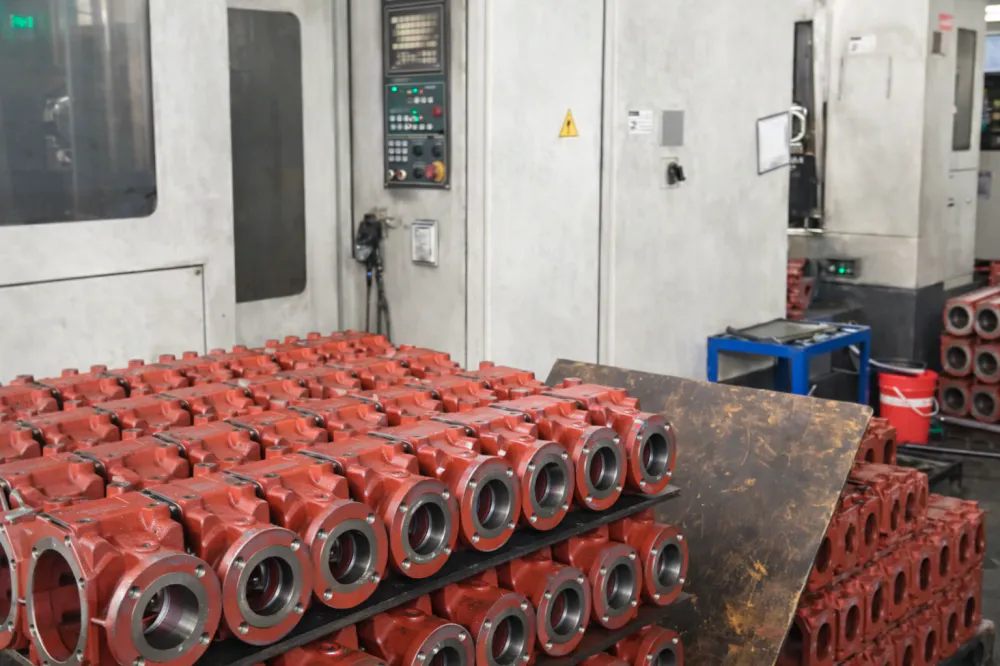
3. Mechanics of Automated Feeding: Principles & Materials
The Pan Feeding Gearbox operates on a dual-reduction principle, typically combining a helical first-stage for high efficiency and a second-stage (either worm or planetary) for torque amplification. In a 150-meter broiler shed, the drive unit must overcome the friction of the feed mass and the tension of the internal auger. Our gearboxes utilize 20CrMnTi alloy for the gears, which is carburized to a depth of 0.8mm-1.2mm, providing a “hard-outside, tough-inside” structure that absorbs the sudden shock loads of a system blockage.
The environment inside a poultry shed is chemically aggressive. High levels of ammonia (NH3) from bird droppings and moisture from the ventilation system can cause rapid corrosion of standard industrial drives. Therefore, our agricultural gearbox housings are treated with a multi-layer epoxy powder coating and equipped with Viton® oil seals. These seals are specifically chosen for their chemical resistance, ensuring that grease never leaks into the feed line—an essential requirement for maintaining Bio-security and EEAT (Experience, Expertise, Authoritativeness, Trustworthiness) standards in the modern poultry supply chain.
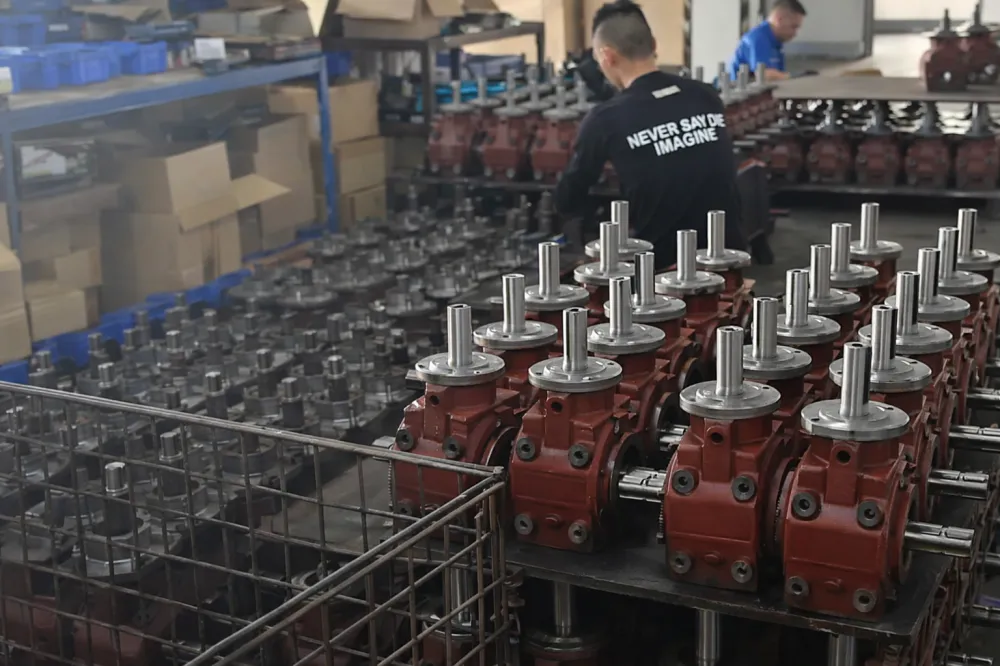
4. [Colombia] National Terrain & Poultry System Field Study
Our engineering team conducted a longitudinal study across the department of **Santander**, Colombia’s poultry heartland. We observed that the primary cause of gearbox failure in local farms was “thermal fatigue” due to poor shed ventilation in the tropical valleys. The Pan Feeding Gearbox must be capable of continuous operation in ambient shed temperatures that can reach 35°C, with internal gear temperatures exceeding 85°C.
- Regional Standards: Our products comply with **ICONTEC** (Instituto Colombiano de Normas Técnicas) and the **EU Machinery Directive**, ensuring safety for both operators and livestock.
- Local Seasonal Adaptation: During Colombia’s rainy seasons, humidity spikes can exceed 90%. Our gearboxes feature a unique “Desiccant Breather” system to prevent internal condensation that would otherwise emulsify the lubricant.
- Brand Ecosystem: We maintain mechanical interface compatibility with mainstream Colombian automation brands like **Plasson**, **Chore-Time**, and **Big Dutchman**, allowing for seamless retrofitting without custom adapters.
5. Engineer’s Notebook: Designing for Biological Sensitivity
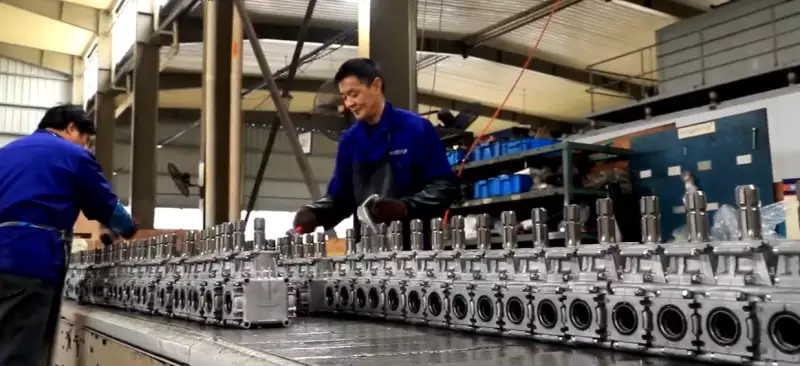
The “Stress-Free” Design Philosophy: In the poultry world, noise is a predator. A loud, clanking gearbox can trigger a “stampede” effect in young chicks, leading to crushing injuries. When we designed our latest agricultural gear reducer, we focused on gear tooth geometry optimization. By using a **Precision Ground Helical Profile (AGMA 12)**, we reduced the mechanical noise footprint to below 58dB, which is quieter than a typical household conversation. This ensures that the feeding system doesn’t startle the birds, promoting better feed intake and overall health.
Innovation in Sealing: We realized that the biggest threat to the Pan Feeding Gearbox in Colombian farms was the fine organic dust that acts as an abrasive. We introduced a **Labyrinth-Shielded Output Shaft**. This triple-layer barrier keeps the dust away from the primary oil seal, extending its service life by over 15,000 hours compared to traditional designs. This is why we are recognized as a premium agricultural manufacturer in South America.
6. Global Reliability: Field Reports from Poultry Engineers
“In the humid valley of Girón, our previous gearboxes were leaking oil within 6 months. We swapped them for the specialized Pan Feeding Gearbox with Viton seals. We have just finished our 12th flock with zero downtime. The silent operation is a game-changer for bird health.” – Senior Operations Manager.
Scenario: 250,000 birds on a multi-tier cage system.
Result: The high torque capacity of the agricultural gear reducer allowed us to drive longer feed lines (up to 180m) without needing intermediate motors, saving 15% on electrical infrastructure.
“Bio-security is our top priority. The antimicrobial epoxy coating on these gearboxes makes them easy to sanitize during house turnover. They are the most wash-down friendly units we’ve tested.” – Maintenance Engineer.
“Reliability in extreme heat is vital. These gearboxes run in 40°C sheds without seizing. The thermal fins really work. We no longer have to worry about the feed lines stopping during the midday heat.” – Farm Owner.
“We replaced our entire shed’s transmission with this agricultural gearbox series. The precision grinding ensures there is no ‘jerking’ in the auger, which has reduced feed dust and waste by nearly 5%.” – Technical Director.
7. Critical Maintenance: 5 Signs Your Feeding Gearbox Needs Replacement
Don’t wait for the birds to go hungry. Monitor your agricultural gear reducer for these indicators:
- The “Ammonia Bloom”: If you see corrosion on the gearbox housing, the integrity of the seals is compromised, and lubricant leakage is imminent.
- Rhythmic Pulsation: If the auger line is “surging” or pulsating, the internal gears may have pitted teeth or a worn bearing.
- Oil Discoloration: Sight glass inspection shows “milky” oil, indicating moisture ingress—critical in humid Colombian climates.
- Increased Surface Heat: If the gearbox is too hot to touch (above 65°C), internal friction is increasing due to lubricant breakdown.
- Squealing or Grinding: High-frequency noise indicates a bearing cage failure. Immediate action is required to prevent shaft seizure.
8. Complete Mechanical Solutions for Poultry Excellence
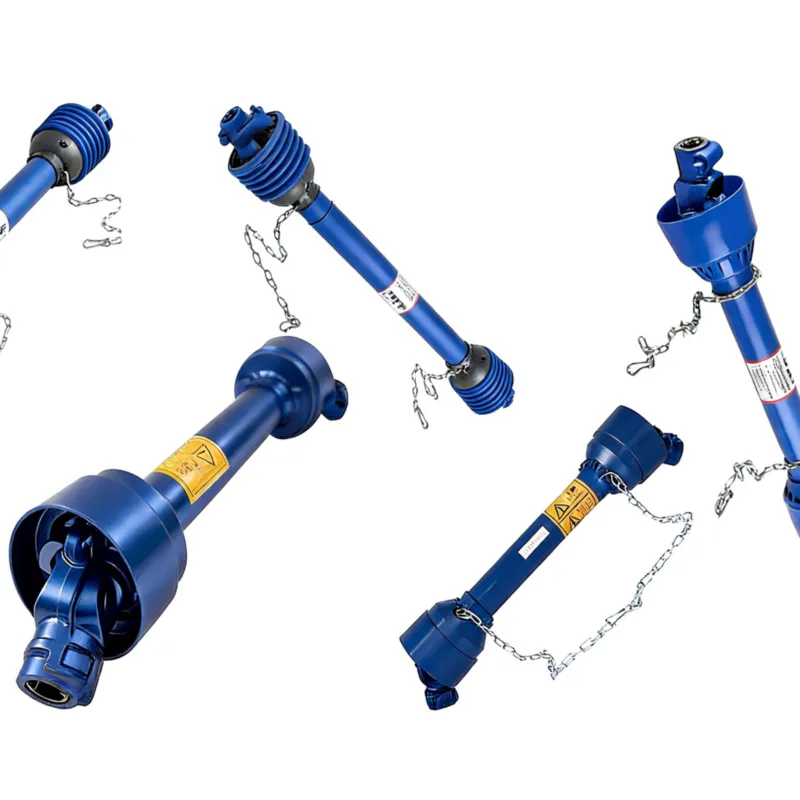
PTO Shafts
Heavy-duty PTO Shaft systems for farm generators and mixers.
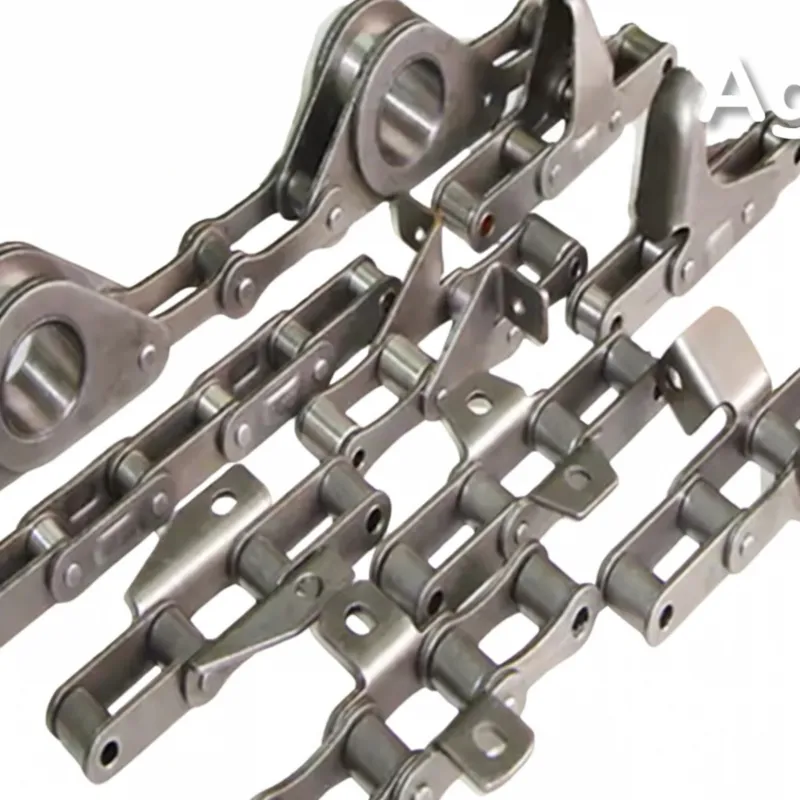
Custom Sprockets
Precision-milled sprockets for exact synchronization in automated poultry Sheds.
FAQ
A1: You must balance torque and feed velocity. A 1:15 or 1:25 ratio is usually optimal for standard poultry augers, ensuring sufficient torque to start a full line while maintaining an efficient feed-pan refill rate.
A2: In the rare event of a seal failure, standard mineral oil can contaminate the bird’s feed, leading to toxicity and rejection at the processing plant. Our NSF H1 oil is non-toxic and safe for food-adjacent environments.
A3: Yes. Our units are IP65 rated, meaning they can withstand standard pressure washing. We recommend covering the breather vent during cleaning to prevent direct water ingress.
A4: Birds are highly sensitive to sonic vibrations. High noise levels increase cortisol in broilers, which negatively impacts weight gain and immune response. Our precision-ground gears minimize this acoustic stress.
A5: With proper maintenance and our specialized “Tropical Package,” these gearboxes are designed to last 20,000+ operational hours, which translates to approximately 10-12 years of broiler shed operation.