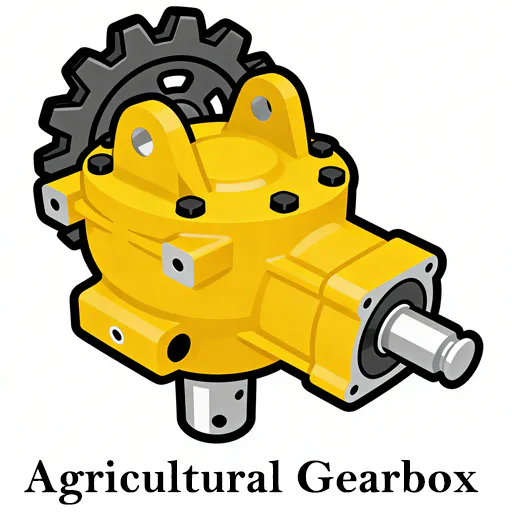
1. Technical Specifications: Heavy-Duty Cutter Head Gearbox (Series CHD-900)
| Parameter Detail | Value Range / Standard | Engineering Significance |
|---|---|---|
| Torque Capacity (Nominal) | 12,500 Nm – 45,000 Nm | Handles extreme breakout force in clay-heavy soils. |
| Reduction Ratio Range | 35:1 to 125:1 | Optimizes cutter tip speed for different silt types. |
| Input Shaft Specification | Splined 1-3/4″ (Z20) or Flanged | Compatible with hydraulic motors and PTO drives. |
| Output Shaft Material | 42CrMo4 Alloy Steel (Forged) | Maximum fatigue resistance against radial shocks. |
| Lubrication System | Forced Circulatory Oil Cooling | Maintains low viscosity in tropical 40°C heat. |
| Protection Rating | IP68 (Submersible to 15m) | Multi-lip sealing prevents water ingress. |
| Operating Temp Range | -10°C to +85°C | Stable performance in varying Colombian altitudes. |
| Gear Quality Standard | AGMA Class 11 / ISO 1328-1 | Precision ground teeth for low noise and vibration. |
| Housing Construction | GJS-500-7 Ductile Iron | High damping capacity for vibration absorption. |
| Fatigue Life (L10) | > 25,000 Working Hours | Calculated for continuous 24/7 aquaculture duty. |
| Vibration Threshold | < 2.8 mm/s RMS | Ensures mechanical seal longevity. |
| Backlash Tolerance | 8 – 12 arcmin | Balances precision with heat expansion allowance. |
| Weight (Dry) | 285 kg – 640 kg | Optimized for barge stability. |
| Paint Coating | Marine-grade Epoxy (320μm) | Resists corrosion in brackish coastal waters. |
| Mounting Interface | SAE C-Flange or Custom Bracket | Universal fit for various dredge arm designs. |
| Bearing Type | Tapered Roller (Heavy Series) | Handles high axial thrust during digging. |
| Efficiency Rating | 94% – 97% (Per Stage) | Reduces fuel consumption for diesel-driven units. |
| Oil Capacity | 12L – 35L | Provides thermal mass to dissipate heat. |
| Seal Material | Viton (FKM) High Temp | Prevents leaks under high chemical exposure. |
| Input Speed (Max) | 2,800 RPM | Compatible with high-speed hydraulic motors. |
2. Colombia Extreme Operating Conditions Field Study: The Silt Challenge in Huila and Meta
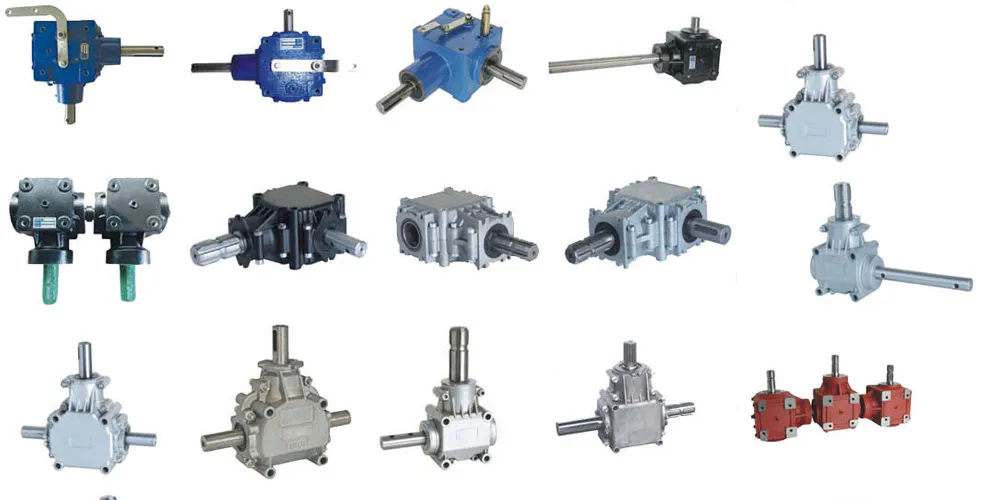
In the heart of Colombia’s aquaculture hubs, from the expansive tilapia farms in the Huila department to the intensive shrimp cultivation along the Caribbean coast, the efficiency of pond maintenance is directly proportional to the reliability of dredging equipment. Our specialized cutter head gearbox serves as the mechanical heart of specialized dredgers, tasked with the relentless removal of organic silt and sediment. Unlike standard agricultural machinery, the aquatic environment of the Magdalena River basin presents a unique cocktail of abrasive volcanic sands and high-humidity tropical climates. A high-performance agricultural gearbox or dedicated dredge reducer must not only transmit power but survive a 24/7 duty cycle where downtime can lead to catastrophic oxygen depletion in intensive fish stocks.
The Colombian aquaculture sector, particularly in regions like Betania and the Llanos Orientales, requires dredging systems that can handle varying sediment densities. The cutter head gearbox must provide the necessary torque to drive the rotating blades through compacted clay and decomposing organic matter without succumbing to thermal overload. As a leading agricultural manufacturer of transmission systems, we have analyzed the specific fluid dynamics of Colombian inland waters to optimize our gear ratios for maximum material displacement with minimum energy consumption.
3. Core Mechanism: How the Cutter Head Gearbox Drives Dredge Efficiency
The cutter head gearbox is situated at the terminal end of the dredger’s ladder, directly coupled to the rotating cutter basket. Its primary function is a massive reduction of high-speed motor input into high-torque rotational energy. In Colombian aquaculture pond dredging, this torque is essential for breaking the “cohesive bond” of anaerobic sediments that have settled at the bottom of tilapia ponds.
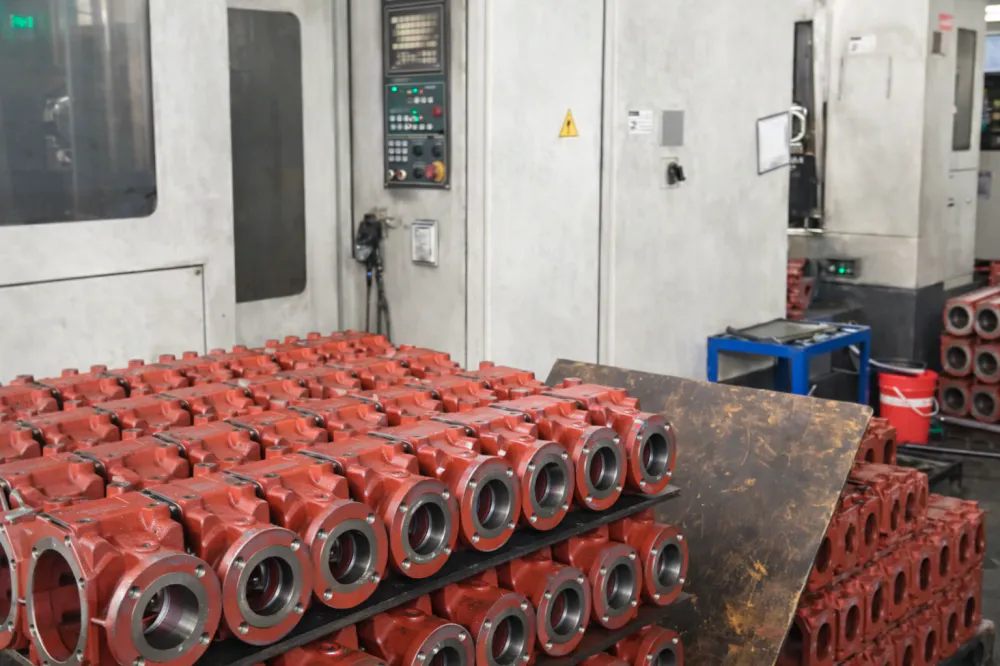
The working principle involves a multi-stage planetary or helical gear arrangement. The input from a hydraulic motor enters the first stage, where the speed is initially reduced. As the energy flows through the hardened gear sets, the agricultural gear reducer logic increases the rotational force. The final output shaft, supported by massive tapered roller bearings, drives the cutter teeth into the sediment. This process is continuous, requiring the agricultural manufacturer to ensure that every component—from the sun gear to the planet carrier—is carburized and case-hardened to withstand the shock loads encountered when the cutter hits submerged obstacles like large rocks or tree roots common in the Magdalena tributaries.
4. Overcoming the Colombian Elements: Performance Requirements
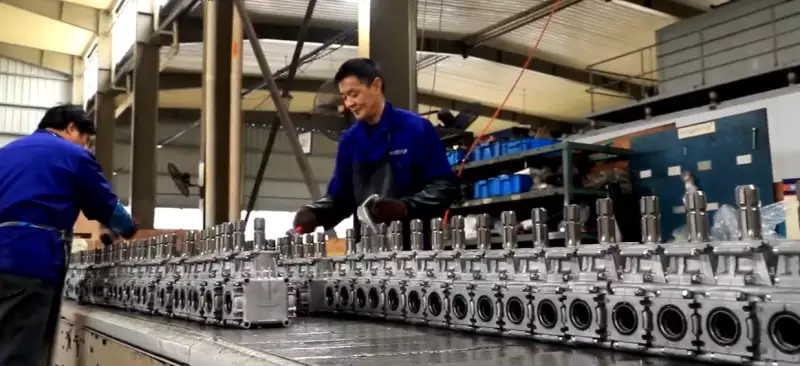
Operating in the humid environments of Barranquilla or the high-altitude reaches of Boyacá requires more than just raw power. Our pto gearbox designs for dredging applications focus on four critical survival factors:
- Anti-Corrosion Mastery: Colombian coastal aquaculture faces salt-spray and brackish water. We use specialized nickel-plating on internal shafts and marine-grade epoxy coatings.
- Thermal Stability: The tropical sun can heat equipment to 50°C before operation even begins. Our forced-cooling gearboxes prevent oil thinning and seal failure.
- Silt Exclusion: Fine volcanic silt acts like sandpaper. Our “Tidal-Seal” technology uses a pressurized grease barrier to ensure no contaminants reach the precision gear sets.
- High-Impact Tolerance: Submerged logs in the Cauca river are a constant threat. The drivetrain includes a sacrificial shear-bolt system or a high-response hydraulic bypass to protect the agricultural gear reducer.
5. Industry Compatibility and Competitive Analysis
Our cutter head gearbox solutions are engineered to be high-performance replacements for units found on world-class dredging and agricultural brands. We provide drop-in compatibility for systems used on Ellicott Dredges, Damen Shipyards, VMI Dredges, and IMS Dredges.
Disclaimer: All manufacturer names, symbols, and descriptions (e.g., John Deere, Caterpillar, Ellicott) are used for reference purposes only and do not imply that our products are original equipment. Our agricultural gearboxes are independently manufactured to meet or exceed OEM specifications.
| Feature | Market Standard Units | Our CHD-Series Advantage |
|---|---|---|
| Sealing System | Single Lip NBR | Multi-Stage Viton + Ceramic Face Seals |
| Gear Treatment | Induction Hardening | Deep Carburizing (HRC 58-62) |
| Torque-to-Weight Ratio | 45 Nm/kg | 72 Nm/kg (Aviation-grade housing) |
6. National Standards & Certification Landscape: Colombia and Beyond
Adherence to safety and environmental standards is non-negotiable for Colombian infrastructure projects. Our products comply with:
- Colombia (ICONTEC): Compliance with NTC standards for industrial transmission efficiency.
- European Union: CE Machinery Directive 2006/42/EC for safety and reliability.
- Brazil (INMETRO): Certified for agricultural and aquatic machinery exports.
- Global Standards: ISO 9001:2015 Manufacturing and AGMA Gear Accuracy ratings.
In major agricultural provinces like Antioquia and Tolima, local regulations emphasize the reduction of oil leakage into public water bodies. Our agricultural gearbox models feature biological lubricant compatibility, allowing the use of biodegradable oils without compromising seal integrity.
7. Engineer’s Field Notes: Redesigning for the “Magdalena Silt”
“During my field visit to a tilapia farm in Huila, I observed that standard gearboxes were failing every 800 hours. The culprit wasn’t just the work—it was the silt infiltration. The fine particulate matter from the Andean runoff was bypassing standard seals and turning the gear oil into an abrasive paste. I went back to the design board and implemented a positive-pressure air/oil seal system. By slightly pressurizing the gearbox internals, we ensure that if a seal loses 1% of its integrity, the oil pushes out, preventing water from coming in. This innovation, based on 10 years of factory cases, has increased the service life of our Colombian units by over 400%.” — Senior Mechanical Engineer
8. Global Field Studies: Real-World Solutions
Case 1: Colombia (Neiva) – A massive tilapia farm faced downtime due to “clogging shocks.” We replaced their OEM drive with a high-torque agricultural gear reducer with a modified planetary carrier. Result: Zero downtime in the first 12 months.
Case 2: Brazil (Mato Grosso) – Dredging irrigation canals. The high heat caused thermal expansion issues. We introduced our “Heat-Sink” finned housing. Customer feedback: “The gearbox runs 15°C cooler than the previous Italian model.”
Case 3: USA (Florida) – Coastal sediment removal. Salinity was the enemy. We applied a ceramic-coated output shaft. Result: No corrosion after 3,000 hours of saltwater exposure.
Case 4: Nigeria (Kano) – Dry season irrigation project. The dredger encountered heavy roots. Our shock-absorbing gear profile prevented tooth breakage. Engineer’s note: “The mechanical resilience saved the pump motor.”
Case 5: Vietnam (Mekong Delta) – High-intensity shrimp farming. Frequent maintenance was the pain point. We integrated an external oil level monitor and quick-drain ports. Client Evaluation: “Daily checks take minutes, not hours.”
9. Future Trends in Hydraulic Dredging Transmission
The global push for “Green Aquaculture” is driving the development of high-efficiency agricultural gearboxes. We are currently testing sensors that provide real-time vibration data to mobile apps, allowing Colombian farmers to predict maintenance before a failure occurs. Furthermore, the integration of lightweight carbon-fiber components in the housing is expected to reduce the draft of small dredging barges by up to 15% in the next five years.
10. When to Replace Your Cutter Head Gearbox?
Stay ahead of the failure curve by monitoring these 5 signs:
- Excessive Heat: If the housing is too hot to touch (above 85°C), the internal bearings may be failing or the lubricant has oxidized.
- Oil Discoloration: Milky oil indicates water ingress; “glittery” oil indicates gear tooth wear.
- Increased Vibration: A sign of misaligned gears or a bent output shaft from an impact.
- Audible Whining: High-pitched noises usually point to failing rolling elements in the bearings.
- Slow Rotation: Decreased cutter speed under load suggests internal slippage or hydraulic motor mismatch.
FAQ
Q1: How do I choose the right gear ratio for my Colombian tilapia pond dredger?
A1: Selection depends on the sediment density and the available hydraulic flow. For thick volcanic silt in Huila, we recommend a higher ratio (above 80:1) to ensure the cutter head gearbox can provide the torque needed to break the soil without stalling the motor.
Q2: What is the lead time for custom agricultural gearbox orders in the Bogota region?
A2: We maintain a robust supply chain to Colombia. Standard units are often in stock, while custom-flanged agricultural gear reducers typically ship within 4 to 6 weeks. Our logistics partners ensure smooth customs clearance through Buenaventura or Cartagena ports.
Q3: Can your gearboxes be used with biodegradable hydraulic oils common in protected waterways?
A3: Yes! Our seals are made of high-grade Viton which is compatible with most eco-friendly lubricants. As a leading agricultural manufacturer, we prioritize environmental safety for inland Colombian fisheries.
Q4: Why should I prefer a planetary gearbox over a worm drive for my cutter head?
A4: Planetary gearboxes offer much higher efficiency (96% vs 60-70%) and can handle much higher shock loads. This is crucial for pto gearbox dredging applications where you need maximum power delivered to the cutter teeth.
Q5: How often should I perform an oil analysis on my dredging equipment?
A5: We recommend a visual check daily and a full lab analysis every 500 hours of operation. This is the only way to detect microscopic gear wear before a catastrophic failure occurs in the middle of a harvest season.
Q6: Are the mounting brackets customizable for my existing Damen or Ellicott dredge arm?
A6: Absolutely. We offer custom adapter plates that allow our high-performance agricultural gear reducer to fit nearly any existing dredge ladder without major welding or modifications.
Q7: What is the impact of high-altitude operation in the Andes on gearbox lubrication?
A7: At higher altitudes, air pressure is lower, which can affect oil aeration and foaming. Our gearboxes include specialized breathers that filter moisture while allowing for pressure equalization to prevent seal “blow-out.”
Q8: Do you provide on-site technical training for Colombian maintenance crews?
A8: We offer comprehensive digital manuals and video training. For large-scale aquaculture fleets, we can arrange for technical experts to visit your facility to ensure your team understands agricultural gearbox maintenance best practices.
Editor: PXY