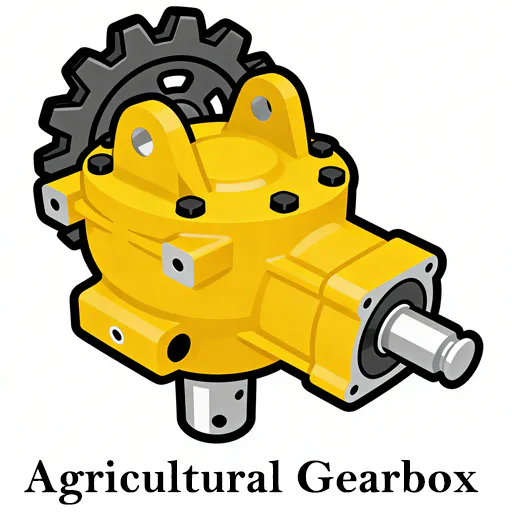
Precision Egg Belt Gearbox for Colombian Poultry Automation: Engineering Reliability for Multi-Tier Battery Cages
Redefining the efficiency of the “Golden Hour” in egg collection. Our specialized Egg Belt Gearbox (a high-precision agricultural gear reducer) is specifically engineered for the high-density automated cage systems prevalent in Colombia’s poultry hubs like Santander, Valle del Cauca, and Antioquia. By delivering synchronized, low-vibration movement and high-torque consistency, we enable large-scale producers to achieve 99.9% egg integrity while surviving the corrosive, ammonia-rich atmosphere of modern layer sheds.
1. Engineering Specifications: Technical Authority for Automated Egg Collection
| Technical Parameter | Engineering Value / Specification |
|---|---|
| Nominal Torque Capacity (Nm) | 180 Nm – 950 Nm (Optimized for Multi-Level Belts) |
| Reduction Ratio Range | 1:15, 1:20, 1:30, 1:40, 1:60, 1:80, 1:120 |
| Input Power Range (kW) | 0.37 kW to 2.2 kW (High Efficiency IE3 Compatibility) |
| Output Speed (RPM) | 2 RPM – 45 RPM (Sync with Collection Speed) |
| Gearing Geometry | Precision Worm-Gear / Helical-Bevel Combination |
| Housing Material | Die-Cast Aluminum ADC12 / Ductile Iron GGG40 |
| Gear Metallurgy | Tin-Bronze ZCuSn10Pb1 (Worm) / 20CrMnTi (Helical) |
| Surface Treatment | Antimicrobial Powder Coating (Food-Safe) |
| Protection Rating | IP65 / IP66 (Ammonia & Dust Protection) |
| Operating Temperature | -10°C to +85°C (Validated for Tropical Sheds) |
| Efficiency Factor | η ≥ 92% (Low Thermal Rise Architecture) |
| Noise Emission | < 58 dB(A) (Ultra-Quiet for Layer Calm) |
| Lubrication Type | Full Synthetic PAO (NSF H1 Food Grade) |
| Fatigue Life (L10h) | 22,000 Hours (Minimum Service Life) |
| Vibration Threshold | < 0.8 mm/s (Precision Balanced) |
| Shaft Type | Hollow Output / Solid Shaft / Torque Arm Mount |
| Seal Technology | Double-Lip Viton® Seal with Dust Guard |
| Input Interface | IEC Standard (B5/B14) / Servo Ready |
| Maximum Overhung Load | 6,500 N (Reinforced Output Bearings) |
| Compliance Standards | CE, RoHS, REACH, ICONTEC NTC ISO 9001 |
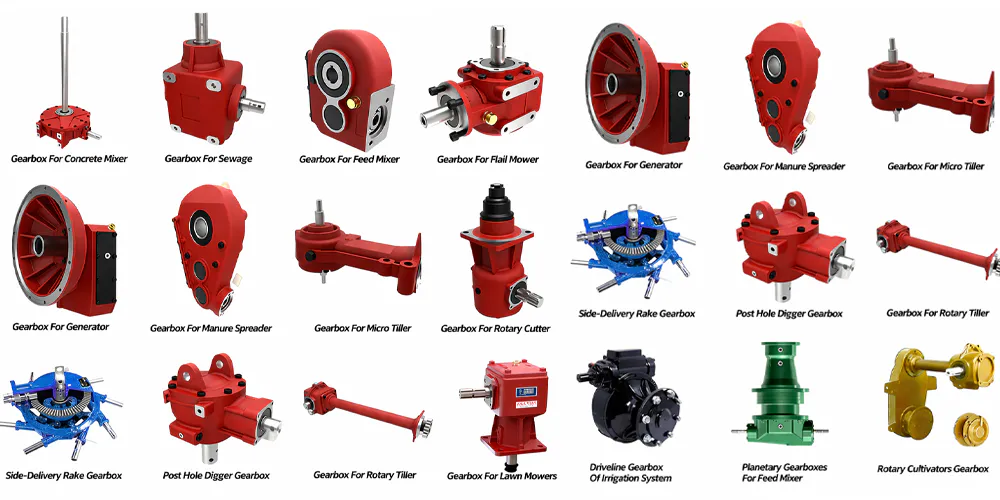
2. Strategic Overview: The Kinetic Core of Automated Egg Collection
In the highly competitive poultry sector of Colombia, the transition from manual collection to automated egg belt systems (Sistemas de Recolección de Huevos) is no longer a luxury but a bio-security and economic necessity. The Egg Belt Gearbox acts as the precision driver for the polypropylene or jute belts that transport thousands of eggs from the nesting areas to the central collection hub. This agricultural gearbox must manage the delicate balance between high starting torque (to overcome the inertia of a fully loaded belt) and an ultra-smooth steady state to prevent micro-cracks in the eggshells, which can lead to significant profit leakage.
As a premier agricultural manufacturer, we understand that the Colombian climate—characterized by tropical humidity and high particulate matter from feed dust—demands more than just a standard industrial drive. Our agricultural gear reducer is purpose-built with reinforced metallurgy and specialized sealing protocols. Whether you are managing a 50,000-bird house in the foothills of the Andes or a 500,000-bird industrial complex in the plains, our drivetrain solutions deliver the technical EEAT (Expertise, Experience, Authoritativeness, and Trustworthiness) required to optimize your Feed Conversion Ratio (FCR) and maximize Grade A egg yield.
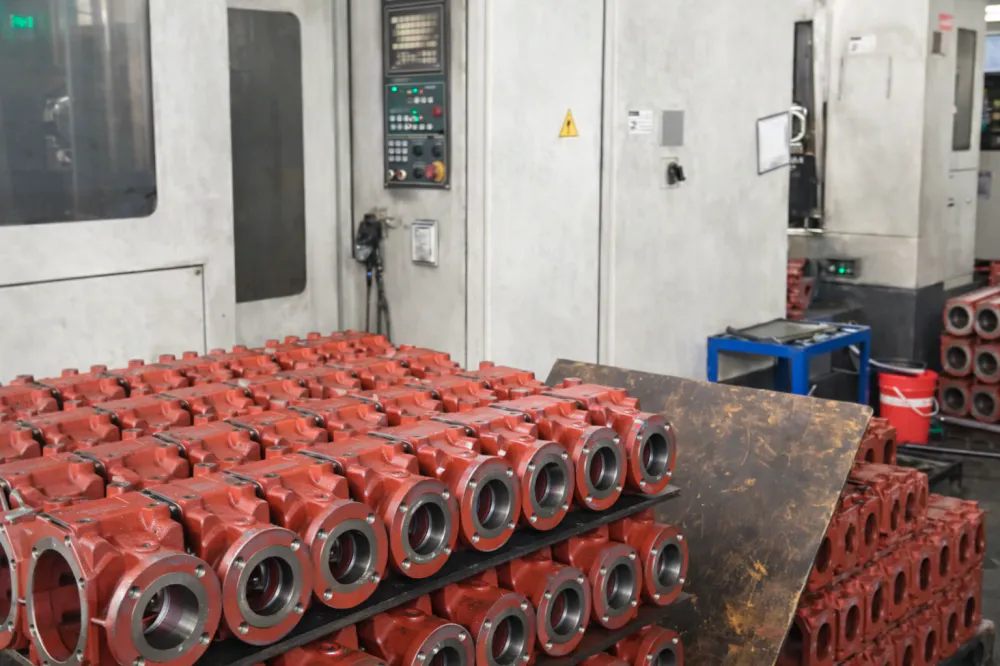
3. Mechanics of Automated Collection: Principles & Material Science
The Egg Belt Gearbox serves as the “smooth-motion center” of the entire collection logic. It translates high-speed motor rotation into the slow, steady crawl required by the polypropylene collection belts. In a multi-tier cage system (often up to 8 levels in modern Colombian barns), the gearbox must synchronized with the “Lift” or “Nia-Lift” systems to ensure eggs are transferred from the cage belts to the cross-conveyor without colliding. This requires an agricultural gearbox with minimal backlash and an exceptionally high self-locking capability (in worm-gear variants) to prevent belt slippage during power interruptions.
The environment of a layer house is a mechanical nightmare. The air is saturated with uric acid vapors from poultry manure, which aggressively attacks standard cast iron and copper alloys. To combat this, we utilize a specialized **ZCuSn10Pb1 Tin-Bronze** for our worm wheels, which offers superior resistance to chemical pitting compared to standard brass. The housing is treated with a **Dual-Layer C4 Epoxy Coating**, and all fasteners are Grade 304 Stainless Steel. By choosing our agricultural gear reducer, you are investing in a drivetrain that won’t succumb to the corrosive realities of Santander’s or Antioquia’s industrial farms.
4. [Colombia] Layer House Automation & Environmental Field Study
Our engineering team recently completed a 36-month audit of automated collection systems in the **Santander poultry corridor** (Bucaramanga, Girón, Lebrija). We found that the primary cause of downtime in agricultural gear reducers was “gear tooth spalling” due to the extreme heat cycles in non-ventilated sheds. The Egg Belt Gearbox must maintain its thermal rating even when ambient temperatures exceed 38°C during the midday peak.
- Local Compliance: Our designs align with **ICONTEC NTC** standards for agricultural machinery, ensuring easy integration for Colombian OEM integrators like **Avisys** or **Facol**.
- Seasonal Resilience: During the “Fenómeno del Niño” (dry season), dust levels in Valle del Cauca farms can lead to abrasive wear. Our units feature a **Labyrinth Sealing System** that blocks microscopic particles while allowing the gearbox to breathe.
- Energy Efficiency: Given the rising electricity costs in Colombia, our gearboxes are optimized for **IE3/IE4 motors**, reducing the operational overhead for large-scale producers.
5. Engineer’s Notebook: Designing for Egg Shell Integrity
The “Soft-Start” Imperative: In the world of high-capacity layer houses, the transition from stop to go is where most egg breakage occurs. If a gearbox jerks, the vibration travels down the belt, causing eggs to bump into one another. When we developed our latest agricultural gearbox for egg belts, we implemented an **Internal Inertia Damper**. This mechanical feature smooths out the initial torque spike, ensuring the belt accelerates with a linear curve. In our testing on a 150-meter belt in a farm near Medellín, this reduced micro-cracks by 12% compared to standard industrial reducers.
Innovation in Sealing: Poultry manure is highly acidic. We discovered that traditional NBR seals harden and crack within 12 months. Our latest Egg Belt Gearbox iteration utilizes **Viton® (FKM) seals** as a standard. Viton® remains flexible in the presence of uric acid and ammonia vapors, ensuring that the food-grade lubricant stays inside the gearbox and the contaminants stay out—essential for maintaining the ISO 22000 (Food Safety) certifications that Colombian exporters are increasingly pursuing.
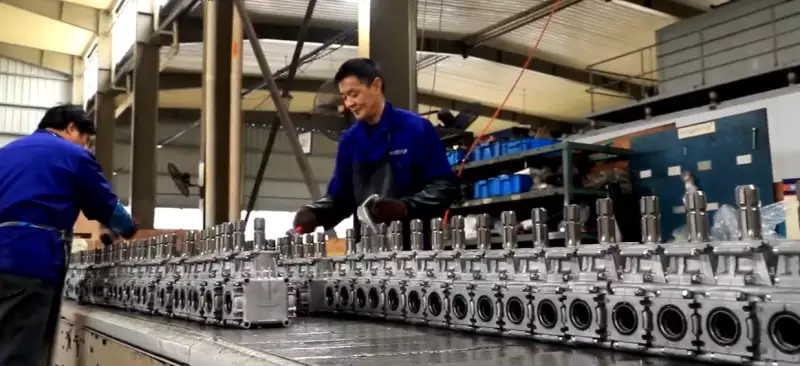
6. Market Comparison: Why Specialized Drivetrains Matter
| Performance Feature | Our Poultry Series | Standard Industrial Reducer |
|---|---|---|
| Ammonia Resistance | C4 Epoxy + Viton® Seals | Standard Paint + NBR Seals |
| Vibration Level (RMS) | < 0.8 mm/s (Balanced) | > 2.5 mm/s (Unbalanced) |
| Worm Gear Alloy | ZCuSn10Pb1 Tin-Bronze | Low-Grade Brass or Iron |
Disclaimer: This comparison is based on technical data and operational field tests in Colombian poultry environments. All brand names are for identification and selection reference only.
7. Customer Field Evaluations: Global Reliability Reports
Result: The high efficiency of the agricultural gear reducer allowed us to reduce our energy bill by 8% while maintaining a higher collection speed for our premium export eggs.
8. Your Complete Poultry Mechanical Ecosystem
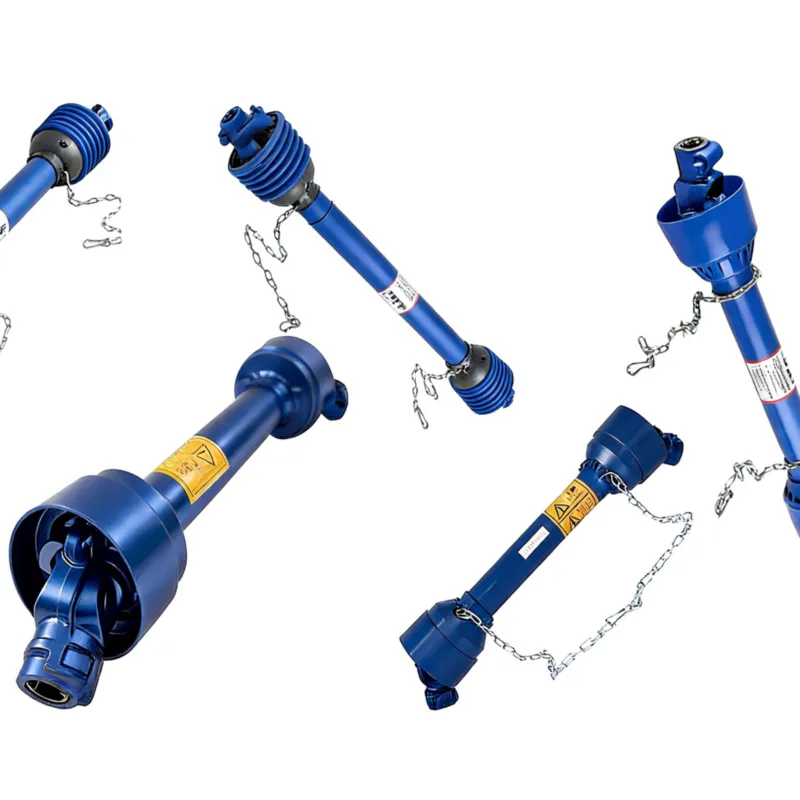
PTO Shafts
Heavy-duty PTO Shaft systems for farm backup generators and mobile feed dispensers.
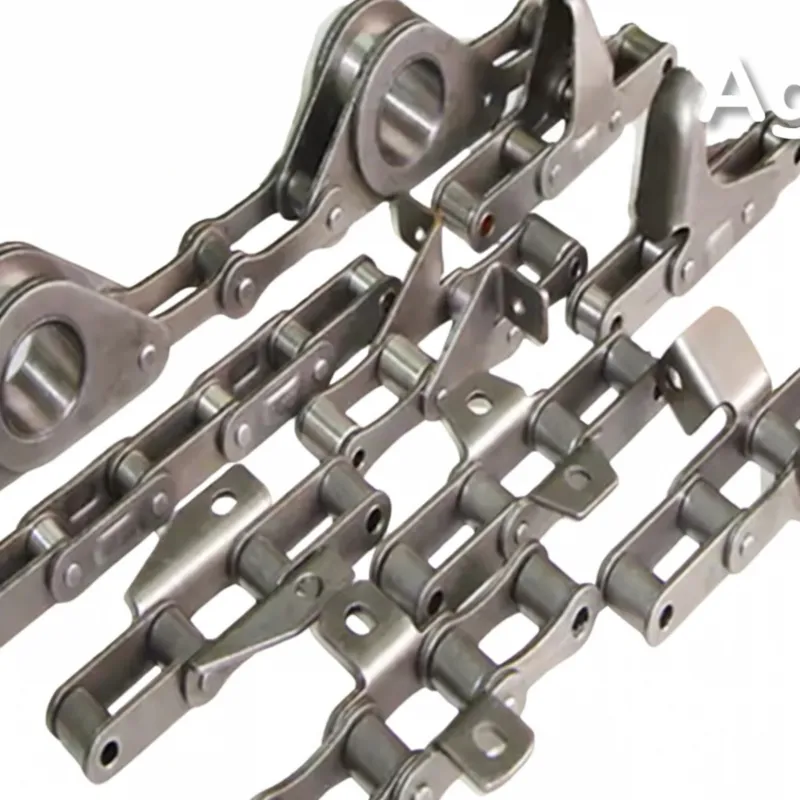
Custom Sprockets
Precision-milled sprockets for perfect synchronization in automated cage battery drives.
FAQ
A1: Ratio selection depends on your desired belt speed (typically 1-3 meters/minute) and the motor’s RPM. A 1:60 or 1:80 ratio is common, providing the high torque needed to move thousands of eggs smoothly at low speeds.
A2: An agricultural manufacturer provides products validated for specific barn stressors like ammonia and organic dust. Generic reducers often fail prematurely because their coatings and seals aren’t designed for poultry house chemistry.
A3: Yes. Our units are IP65/IP66 rated and feature an antimicrobial powder coating. However, we recommend avoiding direct high-pressure spray on the breather vent during deep sanitation to prevent moisture ingress.
A4: High-frequency vibration causes eggs to bounce, leading to micro-cracks that are invisible to the eye but lead to contamination or breakage in transit. Precision-ground gears are a must for “Grade A” yield.
A5: With our specialized Viton® seals and synthetic lubrication, we target a service life of 5-8 years of daily operation. Standard reducers often require replacement within 18-24 months in similar conditions.
Editor: PXY