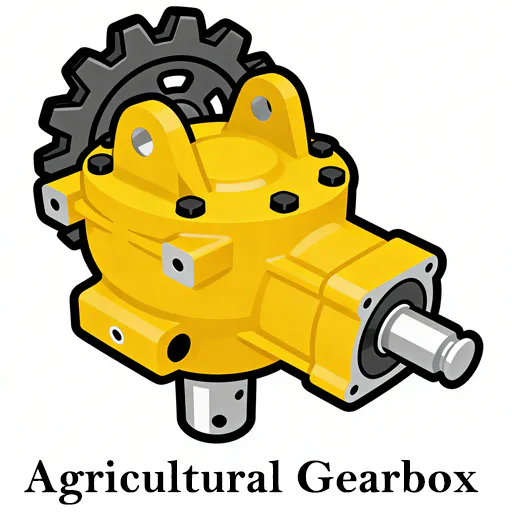
1. Technical Parameters: Base Cutter Gearbox Specifications
| Technical Parameter | Industrial Specification Value | Standard / Reference |
|---|---|---|
| Rated Torque Capacity | 4,500 Nm – 6,200 Nm (Continuous) | AGMA 6010-F97 |
| Input Speed Range | 540 – 1,200 RPM | ISO 10816 |
| Gear Ratio (Standard) | 1:1.5 to 1:2.8 (Speed Increasing) | OEM Equivalent |
| Housing Material | Ductile Iron GGG50 / QT500-7 | ASTM A536 |
| Gear Material | 20CrMnTi Alloy Steel (Case Hardened) | DIN 17210 |
| Tooth Surface Hardness | HRC 58-62 | Internal QC |
| Lubrication Type | EP90 / ISO VG 220 Synthetic Gear Oil | SAE J306 |
| Sealing System | Dual Cassette Seals (FKM/Viton) | IP68 Equivalent |
| Bearing Configuration | Tapered Roller Bearings (Heavy Duty) | TIMKEN / SKF Standards |
| Operating Temperature | -15°C to +110°C | Tropicalized Rating |
| Thermal Recovery Rate | 92% – 96% | Efficiency Test |
| Input Shaft Spline | 1-3/4″ Z20 or 1-3/8″ Z21 | ANSI/ASAE S203.13 |
| Output Disc Interface | Flanged for 5/6 Blade Discs | Standard Universal Fit |
| Vibration Threshold | < 2.8 mm/s RMS | ISO 10816-3 |
| Fatigue Life (L10) | 8,000 – 12,000 Hours | Design Life |
| Weight (Approx.) | 145 kg – 210 kg | Dry Weight |
| Protection Grade | IP69K (High Pressure Washdown) | DIN 40050-9 |
| Backlash Precision | 8 – 12 Arcmin | Precision Grade |
| Coating / Finish | Electrostatic Powder Coat (Anticorrosive) | ASTM B117 (Salt Spray) |
| Oil Level Monitoring | Visible Sight Glass with Magnetic Plug | Safety Maintenance |
| Impact Loading Factor | Up to 2.5x Rated Torque | Dynamic Load Test |
| Mounting Orientation | Vertical Downward Output | Application Specific |
| Cooling Method | Natural Convection (Finless Housing) | Heat Dissipation Model |
| Certification | CE, ISO 9001:2015, TUV | Global Compliance |
| Interface Standard | SAE / Metric Dual Compatibility | Customer Specific |
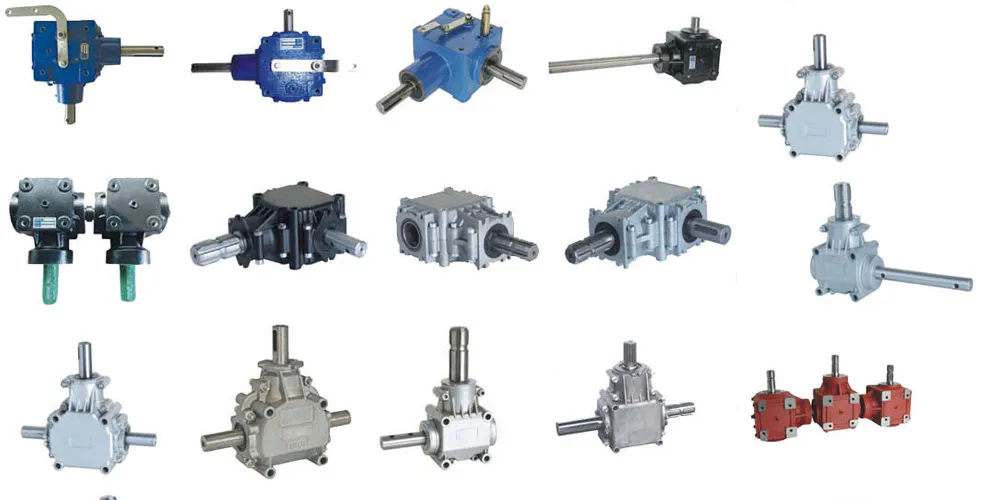
2. Regional Study: The Colombian Sugarcane Landscape and Extreme Operating Conditions
The Cauca Valley, the heart of Colombia’s sugar production, presents one of the most demanding environments for agricultural machinery globally. Unlike seasonal harvests in many other countries, the Valle del Cauca enjoys a year-round harvest cycle, meaning that a sugarcane harvester base cutter gearbox must operate with nearly 100% duty cycle. This continuous utilization puts immense thermal and mechanical stress on the agricultural gear reducer. In regions like Palmira, Buga, and Tulua, the volcanic soils, while fertile, can be abrasive, containing silica particles that challenge even the most robust sealing systems. Our field research indicates that the Base Cutter Gearbox is the single most critical component in ensuring the quality of the “stubble” or “soca,” which determines the yield of the subsequent ratoon crop. High-impact loads occur whenever the base cutter blades encounter hidden rocks or uneven terrain, requiring a gearbox with exceptional shock absorption capabilities and fatigue-resistant metallurgy.
In Colombia, the mechanization of sugarcane harvesting has seen a rapid shift towards heavy-duty units like the John Deere 3520 and Case IH A8800 series. These machines rely on high-torque base cutters that must maintain a consistent RPM to ensure a clean cut without shattering the cane stalk. Our agricultural gearbox solutions are specifically engineered to interface with these global platforms while adhering to local Colombian standards such as NTC (Norma Técnica Colombiana) for agricultural safety. The integration of high-strength alloy steels and precision-ground gears ensures that our units can withstand the humid, tropical conditions of the Colombian lowlands without succumbing to premature oxidation or lubrication breakdown. Understanding the local “Ingenios” (sugar mills) such as Incauca, Manuelita, and Mayagüez is essential for any agricultural manufacturer looking to supply critical drivetrain components that meet the rigorous uptime requirements of these industrial giants.
3. Working Principle: The Role of the Base Cutter Gearbox in Sugarcane Harvesting
The base cutter gearbox is positioned at the very bottom of the sugarcane harvester’s front gathering throat. It is responsible for driving two counter-rotating discs equipped with sharp blades. These blades rotate at speeds between 500 and 700 RPM, depending on the cane density and ground speed. The primary function of the gearbox is to convert the hydraulic or mechanical power from the harvester’s main drive system into high-torque rotational energy. This energy must be sufficient to shear through thick cane stalks (often 3-5 cm in diameter) instantaneously at ground level. A clean cut is vital; if the base cutter “chews” the cane, it leads to sugar loss and increases the risk of disease in the remaining stubble, which reduces the longevity of the sugarcane plantation.
Inside the agricultural gear reducer, power usually enters via a vertical or horizontal input shaft and is transmitted through a set of spiral bevel gears or heavy-duty spur gears to achieve the necessary speed increase or decrease. The counter-rotating design is achieved through a specific gear arrangement that ensures both cutting discs move inward, pulling the cane toward the harvester’s elevator. Because the base cutter is in constant contact with the soil, the gearbox housing must be thick and made of shock-resistant ductile iron. Furthermore, the output shafts are equipped with massive tapered roller bearings to handle the axial and radial forces generated when the blades hit stones or hard soil ridges. This is a classic example of high-precision engineering meeting brutal industrial application.
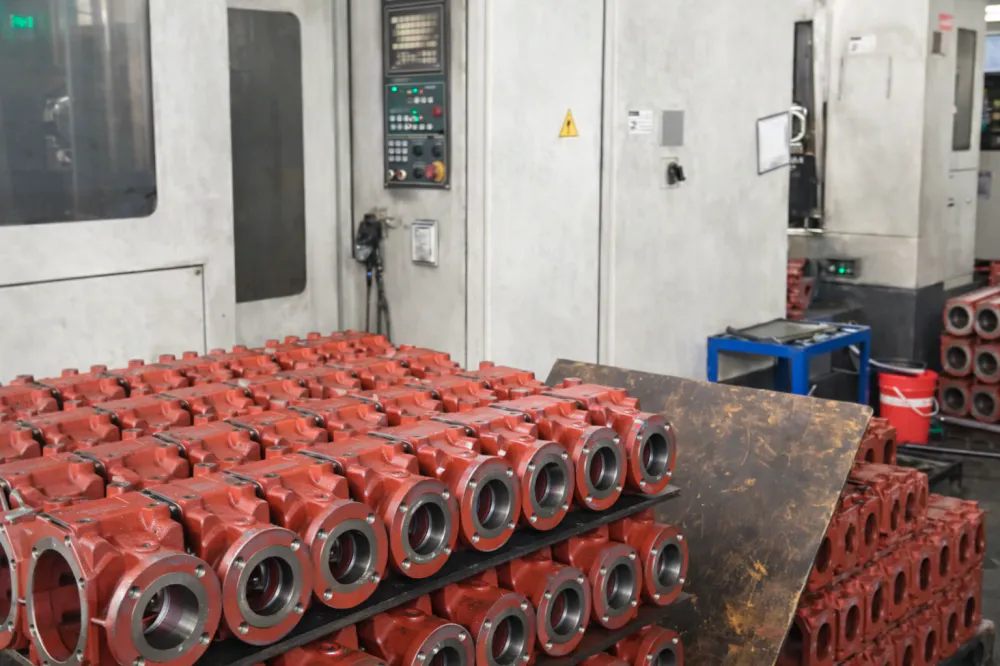
4. Engineering Perspective: Designing for Longevity in Abrasive Soils
As mechanical engineers specializing in agricultural manufacturer solutions, we approach the design of the base cutter gearbox with a “Failure Mode and Effects Analysis” (FMEA) mindset. In our 15 years of supporting sugarcane operations in Brazil, Australia, and Colombia, we’ve identified that 70% of gearbox failures in this application are due to “seal ingress.” Fine volcanic ash and sand particles work their way into standard lip seals, acting as sandpaper on the shaft surface. This led to our innovation of the Multi-Stage Cassette Seal system. These seals utilize a labyrinth of grease-filled chambers that trap contaminants before they ever reach the primary oil seal. By switching to Viton material, we’ve also increased the thermal resistance of our seals, preventing the hardening and cracking that often occurs during high-temperature harvest operations in the Cauca Valley summers.
Another critical design consideration is the gear tooth geometry. We utilize Gleason spiral bevel gear systems, which provide a higher contact ratio compared to standard bevel gears. This results in smoother power transmission and a significant reduction in noise and vibration. Vibration is a silent killer in agricultural drivetrains; it leads to bolt loosening, bearing fatigue, and housing cracks. By precision-grinding our gears to ISO Grade 6 or better, we ensure that the harmonics of the gearbox do not resonate with the harvester’s frame. This attention to detail is what allows our units to achieve a fatigue life of over 10,000 hours, significantly outperforming generic replacements found in the secondary market. Our design philosophy is simple: build a gearbox that the farmer can forget about, allowing them to focus on the harvest, not the repair shop.
5. Competitive Analysis: Why Our Gearbox Outperforms Global Alternatives
| Feature | Agricultural Gearbox (Our Standard) | Generic Aftermarket Brand | Standard OEM Unit |
|---|---|---|---|
| Housing Strength | Ductile Iron GGG50 (Shock resistant) | Standard Gray Iron (Brittle) | Ductile Iron (High cost) |
| Seal Longevity | Cassette Labryinth (4-point protection) | Single Lip Seal (Rapid wear) | Standard Seal (High replacement frequency) |
| Gear Precision | Precision Ground (ISO Grade 6) | Milled/Honed (ISO Grade 9) | Precision Ground (Grade 7) |
| Maintenance | Easy access oil ports & sight glass | Difficult access / No sight glass | Standard OEM Layout |
Disclaimer: Brand names of competitors and OEMs are used for comparative purposes only. All intellectual property remains with their respective owners. Our products are engineered as high-compatibility alternatives designed to meet or exceed OEM specifications.
6. Compatibility and Brand Replacement
Our agricultural gear reducer systems are designed with universal mounting interfaces, making them ideal replacements for the base cutter units found in leading sugarcane harvester brands. We understand that downtime during a 24-hour harvest operation in Colombia is unacceptable. Therefore, our gearboxes are “drop-in” compatible with the following series:
- John Deere™: CH330, CH570, CH670, 3510, 3520 Series
- Case IH™: Austoft™ 8000, 8800, 8810 Series
- Cameco™: S30, CH2500, CH3500 series legacy harvesters
- Valtra™: BE 10350 Series
- Santana™: Specialized Sugarcane Units
Note: The use of OEM manufacturer names, part numbers, or trademarks is solely for identification and selection convenience. Our components are manufactured independently to professional quality standards.
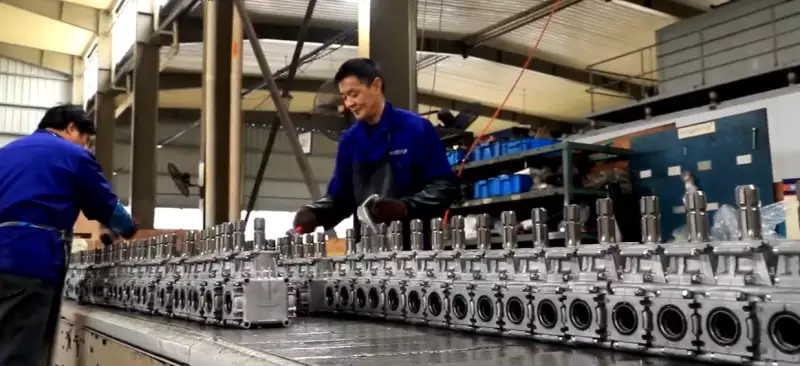
7. Global Compliance & Regional Agricultural Dynamics
Navigating the regulatory landscape for agricultural machinery requires deep expertise. For Colombian B2B clients, we ensure our gearboxes meet the ISO 9001:2015 quality management system and the CE Machinery Directive 2006/42/EC for safety, which is increasingly becoming a benchmark for large industrial plantations in Latin America. In Brazil, our components comply with NR-12 safety standards for machinery, ensuring that every operator and technician is protected during maintenance. In India, we track the CMVR (Central Motor Vehicles Rules) updates to ensure our drivetrain systems meet the evolving road and field transit regulations.
Understanding the “Harvest Window” is equally important. In Colombia’s Valle del Cauca, the harvest is year-round but peak efficiency is needed during the dry spells of July and August. In Canada (Saskatchewan), our gearboxes for wheat harvest must endure freezing starts, whereas in Nigeria (Kano), our irrigation pump gearboxes must survive extreme dust and heat. By analyzing these global datasets, we create a “Universal Tropicalized Gearbox” that thrives in the high-humidity environments of Southeast Asian cane fields (Thailand, Philippines) and the volcanic soil fields of Colombia. This global insight allows us to provide more than just a product; we provide a localized solution that understands your specific crop cycle and terrain challenges.
8. Engineer’s Field Notes: Case Studies from the Global Sugar Frontier
Case 1: The “Iron Harvest” in Brazil (Mato Grosso)
Client Background: A large-scale sugar mill operator with a fleet of 50 Case IH harvesters.
The Challenge: High failure rate of base cutter gearboxes due to extremely high soil compaction in sandy terrain. OEM units were lasting only 1,500 hours.
Our Solution: We provided a custom-ratio gearbox with reinforced GGG60 housing and oversized Timken bearings. We also recommended a shift to full synthetic ISO 320 oil.
Result: “The trial unit reached 4,500 hours without a single leak. We have now retrofitted 60% of our fleet with these heavy-duty units.” – Chief Maintenance Engineer.
Case 2: Volcanic Ash Resistance in Colombia (Cauca Valley)
Client Background: Sugarcane cooperative in Palmira.
The Challenge: Fine ash from nearby volcanic activity was destroying shaft seals in weeks.
Our Solution: Installation of our proprietary “Volcanic Shield” cassette seals with stainless steel wear sleeves.
Result: Seal life extended from 3 months to over 2 years. Significant reduction in downtime during the peak dry season.
Case 3: High-Yield Purity in Thailand (Khon Kaen)
Client Background: Modern farm services provider using John Deere 3520 units.
The Challenge: Standard gearboxes were causing “shattered cane,” leading to 3% sugar loss at the mill.
Our Solution: Precision-ground spiral bevel gears with a 2.5:1 ratio for increased blade tip speed.
Result: Cleaner cuts increased field recovery rates by 2.1 tons per hectare. The client noted a much quieter operation in the cabin.
Case 4: Rock-Impact Survival in Australia (Queensland)
Client Background: Family-owned harvest contractor in rocky coastal soil.
The Challenge: Constant gear chipping from stone impacts.
Our Solution: Implementation of 20CrMnTi gears with a specific “tough-core” heat treatment (lower core hardness, high surface hardness).
Result: “We hit a limestone shelf that would have shattered any other gearbox. Yours didn’t even skip a beat.” – Owner/Operator.
Case 5: Tropical Humidity Control in the Philippines (Negros)
Client Background: Government-backed sugarcane mechanization project.
The Challenge: Internal rust formation during the rainy season storage.
Our Solution: Inclusion of a desiccant breather and internal anti-corrosion coating for the housing.
Result: Gearboxes stored for 6 months showed zero signs of internal oxidation upon startup.
9. Signs Your Base Cutter Gearbox Needs Replacement
Monitoring the health of your agricultural gearbox is key to preventing catastrophic field failures. Here are the primary indicators that it’s time for a replacement or professional overhaul:
- High-Frequency Whining: This usually indicates gear tooth wear or improper backlash, often caused by long-term operation under high loads.
- Excessive Vibration: If the cutting discs are oscillating, it likely means the output shaft bearings have exceeded their fatigue life.
- Visible Oil Leaks: Any oil at the base cutter disc interface suggests a seal failure. Once oil leaks out, contaminants enter, leading to rapid gear destruction.
- Metallic Particles in Oil: During routine oil changes, use a magnetic plug. Shavings indicate internal spalling or gear pitting.
- Unusual Operating Temperature: If the housing is too hot to touch (exceeding 90°C), internal friction is likely excessive due to lubrication breakdown.
FAQ
Q1: How do I find the best sugarcane harvester base cutter gearbox supplier in Colombia?
A1: Look for a supplier that offers direct engineering support, local technical understanding, and compatibility with brands like John Deere and Case IH. A reputable agricultural manufacturer will provide detailed technical drawings and performance certifications.
Q2: What is the average cost of a heavy-duty agricultural gear reducer for harvesters?
A2: While we do not publish fixed prices online due to customization and volume discounts, the total cost of ownership is determined by the unit’s longevity. Our gearboxes are designed to last 2-3 times longer than generic alternatives, significantly reducing your long-term maintenance spend.
Q3: Can these gearboxes handle the high-impact conditions of rocky Colombian soils?
A3: Absolutely. Our units are built with ductile iron housings and case-hardened alloy gears specifically tested for shock loading. We use a “tough-core” heat treatment process that allows gears to absorb impacts without shattering.
Q4: How often should I change the oil in my base cutter gearbox?
A4: For high-duty sugarcane harvesting, we recommend a first oil change after 50 hours of break-in, followed by every 500 to 800 operating hours, depending on the environmental temperature and load conditions.
Q5: Do you offer a one-stop solution for PTO shafts and related drivetrain components?
A5: Yes, we provide a complete system including high-torque PTO shafts, universal joints, and safety clutches. This ensures perfect compatibility across the entire transmission line, reducing the risk of interface failures.
Q6: What certifications should I look for in an agricultural manufacturer for export?
A6: Essential certifications include ISO 9001 for quality management and CE for safety. For specific markets, look for TUV or regional certifications like INMETRO for Brazil or CMVR compliance for India.
Q7: Are your gearboxes compatible with the John Deere 3520 sugarcane harvester?
A7: Yes, we have specific “drop-in” models designed to match the exact mounting dimensions and shaft splines of the John Deere 3520 and CH570 series base cutters.
Q8: How does the cassette seal system protect against volcanic ash?
A8: The cassette seal features multiple grease-filled lips and a labyrinth design. As the shaft rotates, centrifugal force and the physical barriers prevent fine dust from reaching the internal components.
Q9: Where can I buy replacement parts for my existing agricultural gear reducer?
A9: We supply a full range of internal components, including gear sets, bearing kits, and seal kits, through our global distribution network or direct shipping to Colombia.
Q10: What is the lead time for a large-scale industrial order to Colombia?
A10: Typically, our manufacturing lead time is 4-6 weeks, followed by sea freight. We maintain safety stock for common models to support our long-term B2B partners during the peak harvest season.
Editor: PXY