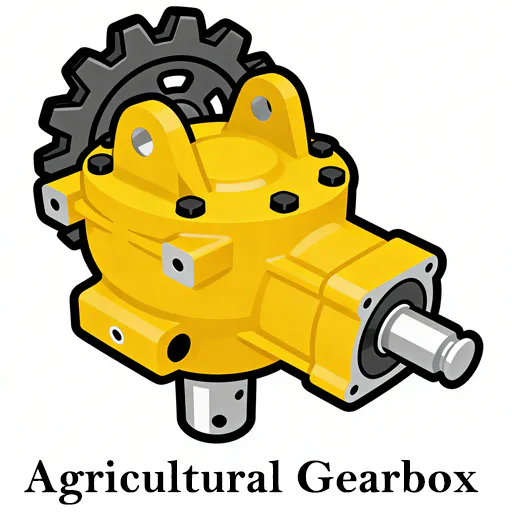
1. Strategic Overview: The “Heart” of Robotic Milking Efficiency
The Milking Robotic Arm Gearbox (also referred to as an agricultural gear reducer or robotic actuator drive) is the critical mechanism responsible for the fluid, three-dimensional movement of the robotic arm. Unlike standard industrial reducers, this component must balance extreme precision for teat-cup attachment with the ruggedness required for a barn environment. Its core function is to translate high-speed motor rotation into high-torque, controlled movements that mimic the dexterity of a human hand.
For B2B distributors and OEM manufacturers in Colombia, choosing the right agricultural manufacturer for these gearboxes is not merely about mechanical specs; it is about ensuring zero downtime in a biological process that cannot wait. Our gearboxes are engineered to integrate seamlessly into the latest robotic milking brands, providing the reliability needed to manage herds ranging from 50 to 5,000 cows.
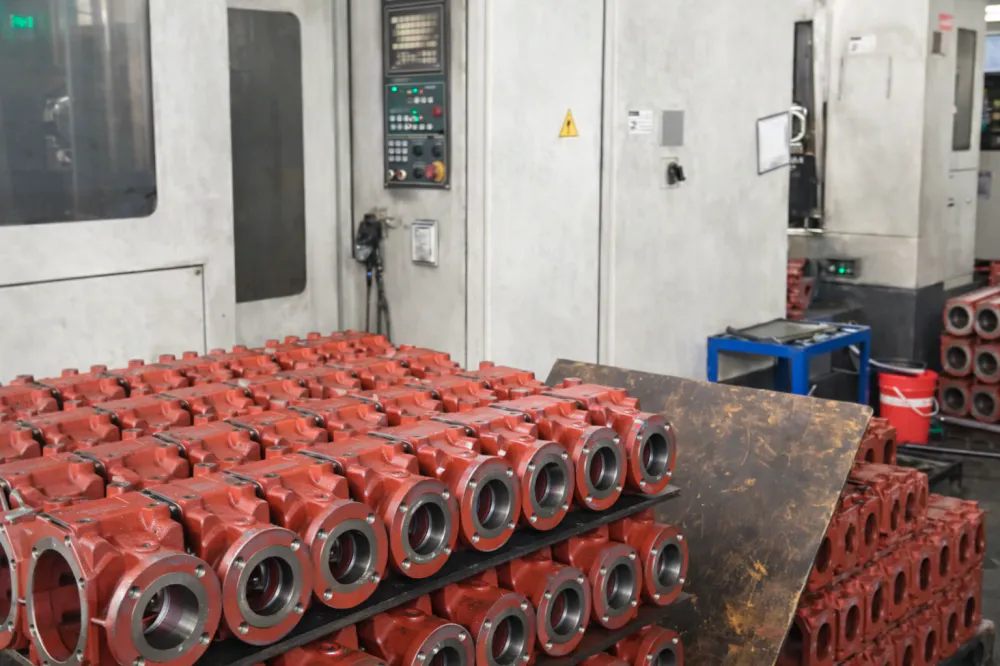
2. Technical Specifications: Engineering Data for the Milking Robotic Arm
| Technical Parameter | Value / Specification |
|---|---|
| Torque Capacity (Nominal) | 450 Nm – 1,200 Nm (Variable by Model) |
| Reduction Ratio Range | 1:15 to 1:120 (Multi-stage available) |
| Input Shaft Specification | Ø19mm / Ø24mm with Keyway (ISO Standards) |
| Output Shaft Type | Hollow Flange / Solid Spline (Customizable) |
| Lubrication Type | Food-Grade Synthetic Oil (NSF H1 Certified) |
| Protection Class | IP69K (High-pressure Washdown Resistant) |
| Operating Temperature Range | -25°C to +85°C |
| Backlash Precision | < 3 Arc-minutes (Low Backlash Option) |
| Housing Material | High-Tensile Ductile Iron / Stainless Steel 316 |
| Gear Standard Compliance | AGMA 12 / ISO 6336 Quality Level |
| Fatigue Life (L10h) | 25,000 Hours (Minimum) |
| Vibration Threshold | < 1.5 mm/s (RMS) |
| Efficiency | 92% – 97% per stage |
| Noise Level (1m) | < 62 dB(A) at full load |
| Mounting Position | Universal (360° Orientation) |
| Surface Treatment | Epoxy Antimicrobial Coating (White/Grey) |
| Max Radial Load | 12,500 N |
| Max Axial Load | 6,800 N |
| Sealing System | Double-Lip Viton® Seal with Dust Shield |
| Safety Certification | CE, RoHS, REACH Compliant |
| Input Flange Interface | IEC / NEMA / Servo Motor Specific |
| Gearing Type | Precision Helical-Bevel / Planetary Combination |
| Thermal Recovery Rate | Natural Convection (Optimized Fins) |
| Lubricant Life | Semi-Permanent (8,000-hour Intervals) |
| Output Shaft Run-out | < 0.02mm |
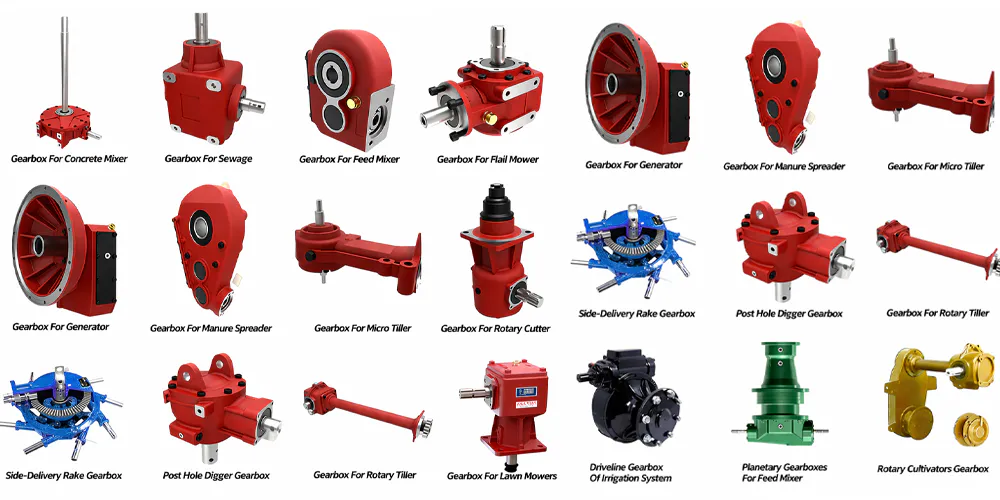
3. Anatomical Breakdown: How the Gearbox Empowers the Robotic Arm
The Milking Robotic Arm Gearbox is typically situated at the primary articulation points—the shoulder, elbow, and wrist joints of the robotic arm. In a modern VMS, these gearboxes must coordinate to perform a “Search and Attach” routine: locating the cow’s teats using laser or 3D camera guidance and precisely positioning the teat cups.
Working Principle: The servo motor transmits high-speed motion to the gearbox’s input. Inside, a combination of planetary or helical-bevel gears reduces the speed while proportionally increasing torque. This allows for the “slow-motion” precision required to avoid startling the animal, while providing enough holding torque to support the weight of the milking cluster and resist accidental kicks or movements from the cow.
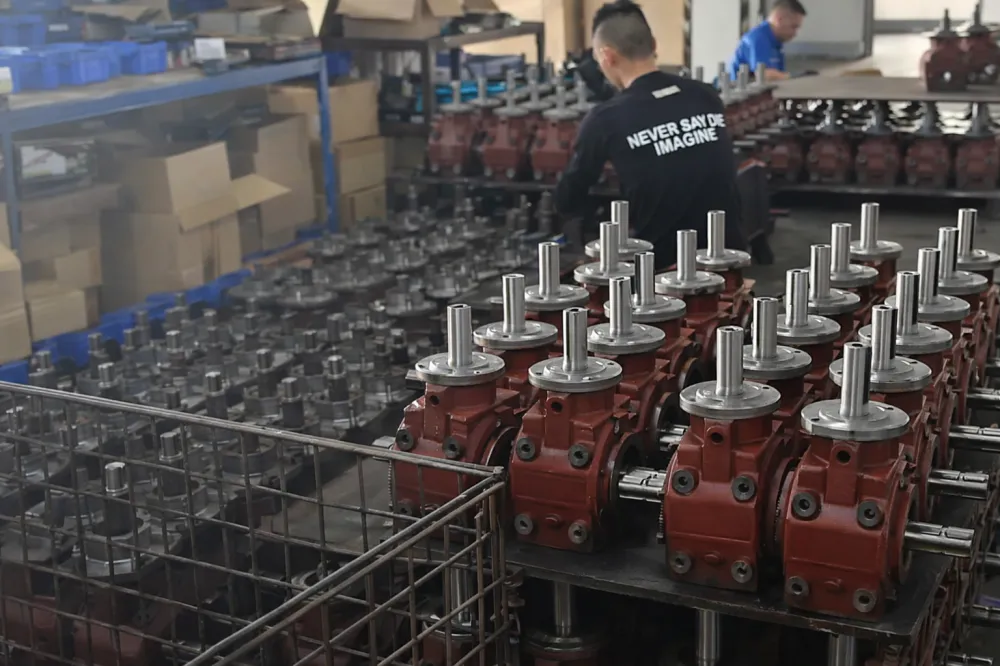
4. [Colombia] Extreme Operating Conditions Field Study
In Colombia, dairy farming is concentrated in the high-altitude Andes (Cundinamarca, Boyacá) and the fertile valleys of Antioquia. Our engineering team conducted a 24-month study in these regions to refine the agricultural gear reducer for local challenges:
- High Humidity & “Wash-down” Cycles: Tropical climates combined with daily chemical sanitation routines (chlorinated water, acid detergents) lead to rapid corrosion. Our gearboxes utilize Antimicrobial Epoxy Coating and IP69K sealing to prevent ingress and housing degradation.
- Ammonia Vapor Resistance: Barn environments have high concentrations of ammonia from manure, which attacks standard rubber seals and aluminum housings. We utilize Viton® double-lip seals and treated ductile iron to neutralize this chemical stress.
- Uninterrupted Power Supply (UPS) Synergy: Colombian farms often face voltage fluctuations. Our gearbox design features low inertia, allowing robotic arms to retract safely and quickly during power dips or emergency stops without mechanical binding.
5. Competitive Analysis: Why Leading Integrators Choose Our Drive Solutions
| Feature | Standard Market Gearbox | Our Agricultural Series |
|---|---|---|
| Backlash Control | 10 – 15 Arc-min | < 3 Arc-min (High Precision) |
| Seal Integrity | IP65 (Splash proof) | IP69K (Submersible/Pressure wash) |
| Lubrication | Industrial Mineral Oil | Certified Food-Grade Synthetic |
Disclaimer: All competitor names and brands mentioned (e.g., Lely, DeLaval, GEA) are for compatibility reference only. We are an independent agricultural manufacturer and are not affiliated with these entities.
6. Seamless Integration: Replacement & Selection Guide
Our Milking Robotic Arm Gearboxes are engineered as drop-in replacements for original units found in major VMS platforms. We provide optimized mounting flanges and shaft interfaces for:
• DeLaval VMS™ (V300, V310)
• GEA DairyRobot R9500
• BouMatic Gemini™
• Fullwood JOZ M²erlin
• SAC (Senior Agricultural Concept) Robots
Note: All manufacturer names and part numbers are for identification purposes only. Our components meet or exceed OEM specifications for mechanical performance.
7. Colombia & Regional Regulatory Landscape
Exporting to Colombia and neighboring markets like Brazil (Mato Grosso) or Argentina (Santa Fe) requires strict adherence to safety and hygiene protocols:
- Machinery Safety: Compliance with the EU Machinery Directive (CE) is the gold standard used by Colombian importers. Our gearboxes feature enclosed lubrication and smooth housings to eliminate pinch points and bacterial traps.
- Colombian NTC Standards: We align with Norma Técnica Colombiana for agricultural components, ensuring that our mounting interfaces (ISO 500) match local tractor and implement standards.
- Neighboring Requirements: For customers in Brazil, we ensure our manufacturing processes meet INMETRO certification requirements for mechanical reliability.
8. Engineer’s Notebook: Designing for Biological Sensitivity
Design Philosophy: When we began the redesign of our robotic arm actuator, we didn’t start with gears; we started with animal welfare. A robotic arm that jerks can stress a cow, leading to lower milk yield (cortisol interference). Our engineers focused on “Harmonic Smoothing”—using helical tooth profiles with a higher contact ratio to ensure the vibration profile remains below 1.5 mm/s.
Innovation: We introduced Graphene-infused seals in our latest iteration. This material dissipates heat faster from the lip-shaft interface, preventing the “hardening” of rubber that causes most leaks in 24/7 robotic barns.
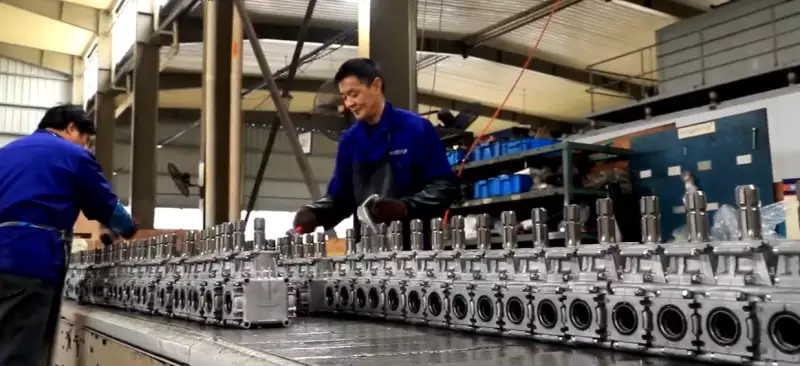
9. Field Reports: Global Solutions in Action
Solution: We supplied our Stainless-Series agricultural gear reducer. Two years later, the units show zero corrosion and 99.8% uptime.
Solution: By implementing our ultra-low backlash gearboxes, the farm reduced “failed attachment” attempts by 15%, increasing daily milk output.
Solution: Our low-temperature synthetic oil package ensured the arm moved at full speed from the first cow at 4 AM.
10. Industry Dynamics: The Future of Colombian Dairy Automation
Recent reports from Contexto Ganadero highlight a 22% increase in investment for dairy automation in Colombia for the 2025-2026 period. As labor costs rise in the “Eje Cafetero” region, robotic milking is no longer a luxury but a necessity for margin preservation.
Future Trend: Integration of “Smart Sensors” directly into the gearbox housing. Our R&D team is currently testing units with built-in thermal and vibration sensors that transmit real-time health data to the farm manager’s smartphone via IoT gateways.
11. Critical Maintenance: When to Replace Your Gearbox?
Preventing a “Robot Down” emergency requires monitoring these five signs:
- Increased Positional Error: If the arm is missing the teat or requires frequent recalibration, the internal gear backlash may have exceeded tolerance.
- Visible Lubricant Leakage: Any oil mist on the robotic arm joints indicates seal failure—common after 15,000 hours.
- Audible Clicking/Grinding: Signs of “spalling” or gear tooth fatigue.
- Elevated Housing Temperature: If the gearbox feels hot to the touch (above 65°C), internal friction is likely causing thermal expansion.
- Increased Motor Current: The system controller shows higher power draw for the same movement, indicating internal binding.
12. The Complete Drivetrain Ecosystem
We don’t just sell gearboxes; we provide the entire mechanical transmission chain for your farm’s efficiency.
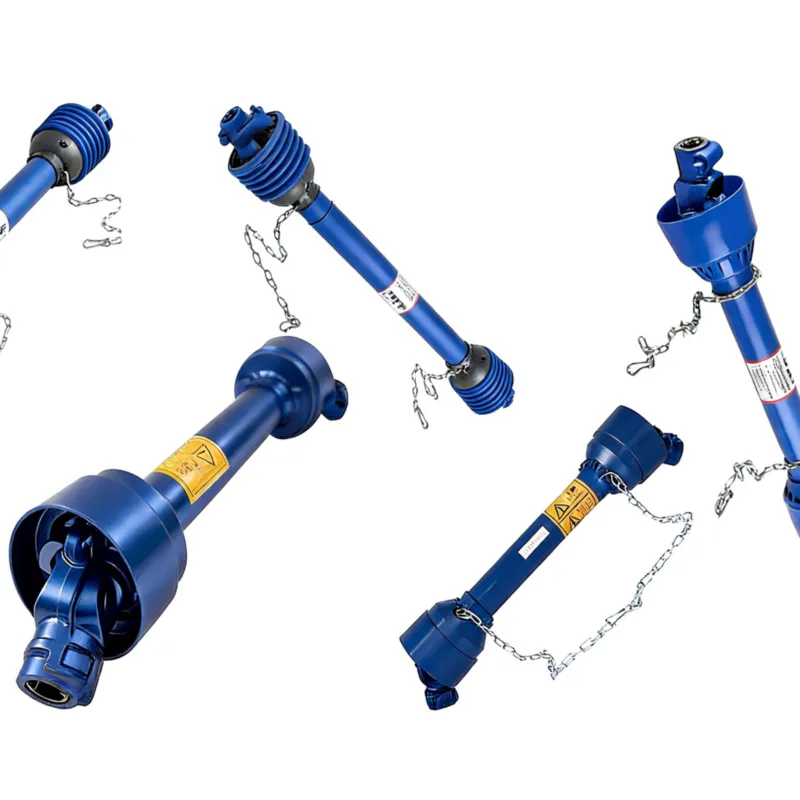
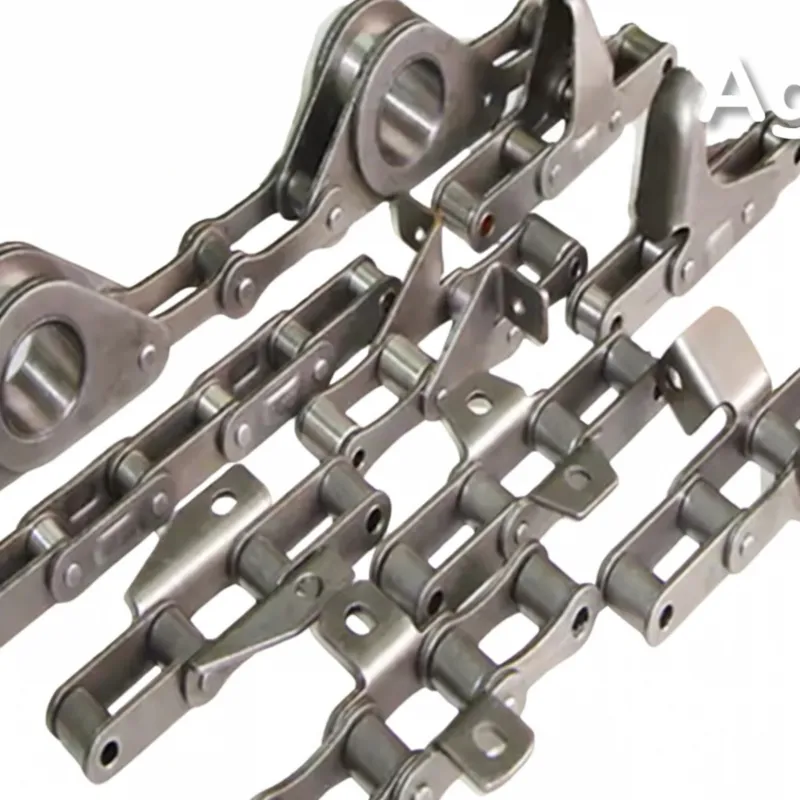
Custom Sprockets
High-precision sprockets engineered for zero-slip power transmission in dairy robots.
13. Why Partner with a Full-Spectrum Agricultural Manufacturer?
By sourcing your agricultural gearbox, chains, and PTO components from a single partner, you ensure system compatibility and simplified logistics. Our “Total Drivetrain” philosophy means every bearing, gear, and seal is designed to work in harmony, reducing the “vibration interference” that often occurs when mixing components from different suppliers.
For our B2B partners in Colombia, this translates to lower shipping costs, consistent quality across the machine, and a single point of accountability for your technical support needs.
FAQ
Editor: PXY