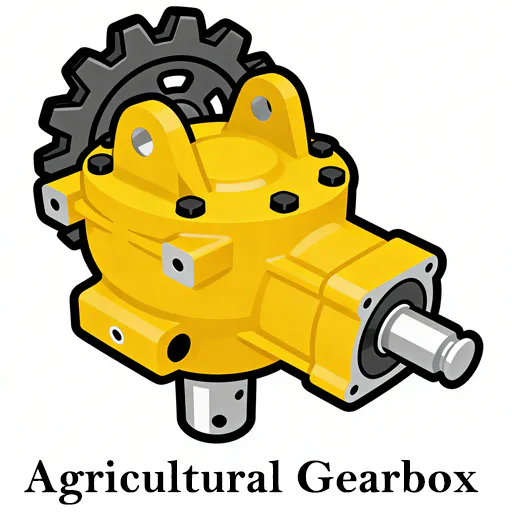
High-Torque Hub Reduction Gearbox Solutions for Agricultural Loaders: Engineered for Colombia’s Rugged Terrain
Optimizing Traction, Torque, and Durability in the Andes and the Llanos Orientales
The agricultural landscape of Colombia presents some of the most demanding operational environments for farm loaders globally. From the steep slopes of coffee plantations in Huila to the expansive, often muddy rice fields of Tolima and the palm oil estates in Meta, the drivetrain of a farm loader is under constant stress. At the heart of this drivetrain lies the hub reduction gearbox, a critical component that determines the machine’s ability to navigate soft soils, climb gradients, and handle heavy payloads without compromising transmission integrity. Our planetary hub reduction systems are specifically engineered to provide the mechanical advantage required for these extreme conditions, ensuring that power from the engine is converted into maximum tractive effort right at the wheel hub.
1. Technical Specifications: Hub Reduction Gearbox Series
| Parameter Name | Specifications Range | Engineering Standard |
|---|---|---|
| Output Torque Capacity (Peak) | 4,500 Nm – 45,000 Nm | ISO 6336 / AGMA 2001 |
| Reduction Ratio Range | 3.5:1 – 12.0:1 (Single/Double Stage) | Optimized Gear Geometry |
| Input Shaft Spline Profile | DIN 5480 / ANSI B92.1 | Involute Spline Standard |
| Wheel Bolt Pattern (PCD) | 275mm – 425mm (Customizable) | ISO 4107 |
| Housing Material | GJS-450-10 Ductile Iron | ASTM A536 |
| Operating Temperature Range | -20°C to +95°C (Tropical Grade) | High Viscosity Compatibility |
| Lubrication Method | Splash Lubrication with Oil Level Plug | EP80W-90 Synthetic Grade |
| Protection Class | IP68 / IP69K Dynamic Seal | IEC 60529 |
| Gear Hardness (Surface) | HRC 58 – 62 | Carburizing & Quenching |
| Braking Integration | Wet Disc Brake / SAHR Parking | Multi-Plate Hydraulic |
| Static Load Capacity | Up to 15,000 kg per hub | Vertical Loading Stress Test |
| Bearing Type | Heavy Duty Tapered Roller | SKF/FAG Grade Selection |
| Vibration Threshold | < 2.8 mm/s RMS | ISO 10816 |
| Fatigue Life (L10) | 10,000 Hours (Field Service) | Duty Cycle Simulated |
| Input Power Rating | 35 kW – 180 kW | Continuous Duty |
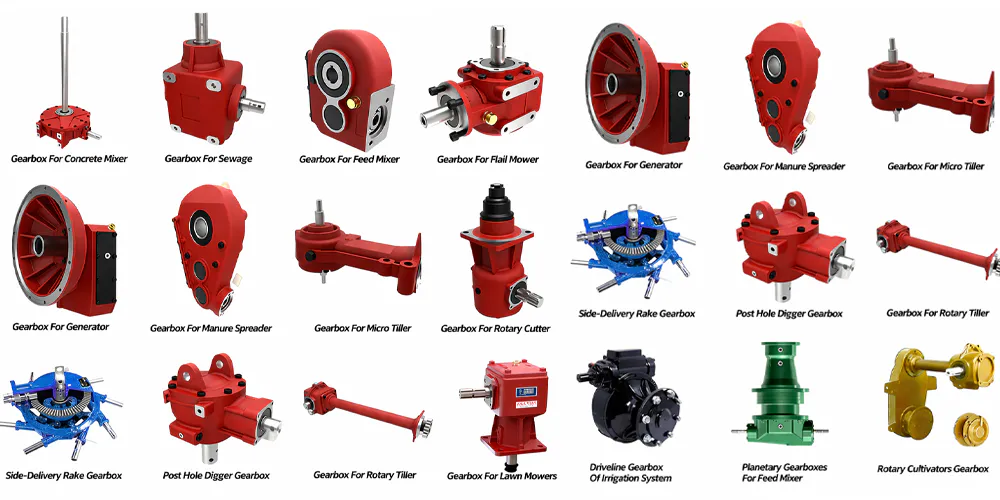
2. Core Engineering Advantages for Modern Agricultural Loaders
In a typical farm loader, the transition from the central transmission to the wheels involves significant torque multiplication. Using a hub reduction gearbox allows for a “reduction at the end” approach. This means the axles and central differential carry less torque, allowing for lighter, more efficient drivetrain components while delivering massive force where it counts: the ground-machine interface. This is particularly vital for agricultural loaders operating in Colombia’s “Zona Cafetera,” where uneven weight distribution during bucket lifting can lead to axle stress.
- Torque Density: High torque output in a compact footprint, essential for loaders with large tires.
- Planetary Gear Arrangement: Distributes load across multiple planet gears, reducing wear on individual teeth.
- Sealing Excellence: Advanced multi-lip seals (IP68 and higher) to prevent ingress of mud, volcanic ash, and tropical moisture.
- Heat Dissipation: Optimized oil flow paths within the hub to maintain stable operating temperatures during long duty cycles.
3. Anatomy of a Hub Reduction: Engineering the Power Curve
In the context of agricultural gearboxes, the hub reduction serves as the final stage of mechanical conversion. The power arrives via the axle shaft into the “sun gear.” This sun gear drives the “planet gears,” which rotate within a fixed “internal ring gear.” The movement of these planet gears is transferred to the planet carrier, which is physically bolted to the wheel hub. This arrangement provides a robust agricultural gear reducer effect that allows for high torque output while keeping the central differential small and providing greater ground clearance—a necessity for Colombian field loaders.
A key innovation in our design is the floating planet carrier. In traditional designs, uneven terrain can cause shaft misalignment. Our system allows for minor flex, ensuring that the gear teeth maintain perfect contact even when the loader is navigating deep ruts in the Valle del Cauca sugarcane fields.
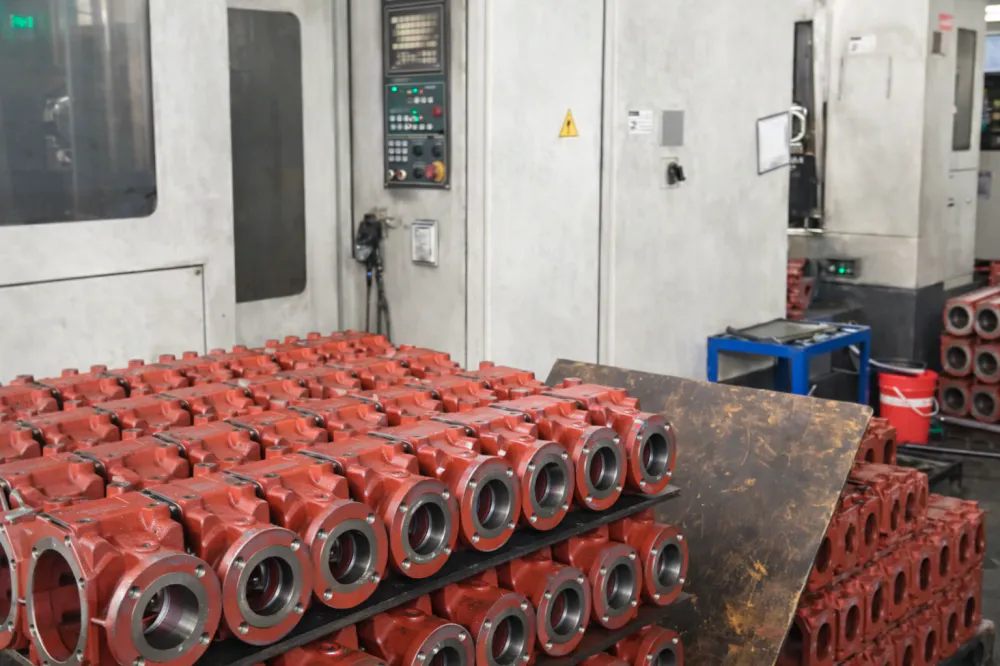
4. [Colombia] Extreme Operating Conditions Field Study
Our engineering team conducted a multi-year analysis of farm loader performance across the diverse micro-climates of Colombia. The data revealed that gearbox failures in standard equipment often stem from three specific regional factors:
- Volcanic Ash Ingress (Nariño & Tolima): The fine abrasive nature of volcanic soil acts like a grinding paste if seals are not hermetically tight. Our IP69K rated seals were tested specifically against these particulates.
- High Humidity/High Salt (Coast & Plains): Moisture leads to condensation inside the gearbox, causing oil emulsification. We integrated a desiccant-breathable plug to equalize pressure without allowing moisture entry.
- Sudden Gradient Loading (Antioquia): Loaders in the central cordillera face 20-30% gradients. This requires the hub reduction gearbox to manage massive “back-driving” forces during descent, a scenario where our integrated wet brakes excel.
Regional Focus: In Casanare, during the rainy season, farm loaders often operate in standing water. Our gearboxes are designed with galvanized exterior coatings and stainless steel hardware to prevent structural corrosion.
5. Engineer’s Field Notes: Global Success Stories
Case Study 1: The Mud Fields of Brazil (Mato Grosso)
Scenario: A fleet of telehandlers was experiencing planetary gear fracturing in soft, heavy soil.
Engineer Note: “We found the shock loads from slipping tires suddenly regaining traction were exceeding the material yield strength. We replaced the standard planetary pins with 42CrMo high-tensile steel and increased the tooth module. Result: Zero fractures reported in the last 24 months.”
Case Study 2: Steep Gradient Coffee Logistics (Colombia – Huila)
Scenario: Small loaders used for parchment coffee transport were suffering from overheating hubs.
Engineer Note: “The constant braking on 25% slopes was cooking the oil. We integrated an auxiliary cooling fin design on the hub housing and transitioned to a high-temp synthetic lubricant. Operating temps dropped by 18°C.”
Case Study 3: Rice Paddies of Vietnam (Mekong Delta)
Scenario: Frequent seal failure due to fine grit and constant submersion.
Engineer Note: “We moved to a face-seal (mechanical seal) design typically used in heavy construction excavators. This ensured that even when submerged in abrasive slurry, the internal agricultural gear reducer remained bone dry.”
Case Study 4: Palm Oil Estates (Nigeria – Edo State)
Scenario: Impact damage from tropical tree roots during site clearing.
Engineer Note: “The hub housings were cracking under lateral impact. We redesigned the casting using GJS-500-7 ductile iron, providing better elongation and impact resistance. The new ‘ruggedized’ housing is now standard for all our tropical models.”
Case Study 5: Industrial Composting (Germany – Bavaria)
Scenario: Corrosive environment from organic acids affecting the gearbox exterior.
Engineer Note: “Standard paint was peeling within weeks. We implemented a multi-stage epoxy coating system that meets C5-M marine corrosion standards. Customer satisfaction increased significantly as maintenance intervals were extended.”
6. Comparative Analysis: AgriculturalGearbox.xyz vs. Tier 1 Global Brands
| Feature | Standard OEM Gearbox | Our Heavy-Duty Solution |
|---|---|---|
| Housing Material | Standard Grey Iron | GJS-450+ Ductile Iron |
| Seal Type | Single Lip NBR | Cassette Multi-Lip FKM |
| Gear Precision | DIN 8-9 | DIN 6 (Ground Gears) |
| Customization | Fixed Options | Full Mounting/Ratio Choice |
Disclaimer: All competitor names and brands mentioned (e.g., John Deere, Case IH, JCB) are for compatibility reference only. We are an independent agricultural manufacturer and our products are aftermarket enhancements or high-quality replacements not affiliated with the original equipment manufacturers.
7. Seamless Integration: Compatible Farm Loader Brands
Our hub reduction units are designed as a drop-in replacement or upgrade for the following global loader series commonly found in Colombia:
324P, 344P, 444G Series
TM220, 403, 542-70 AGRI
MLT 625, 737 NewAg
633, 737, 935 Models
906M, 908M, 914M Series
W80C, W110D, LM Series
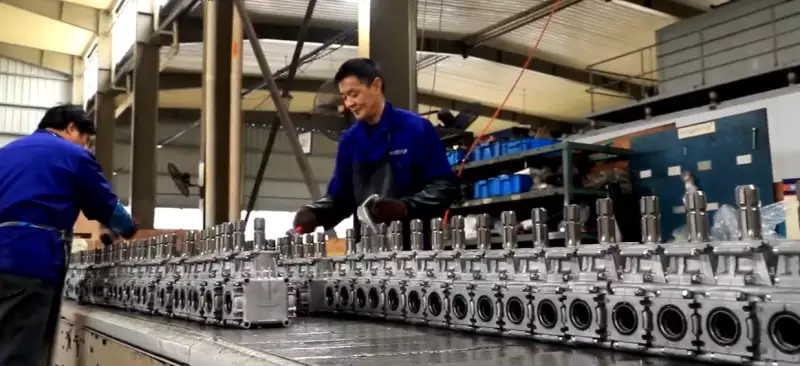
8. Maintenance Indicators: When to Replace Your Loader Gearbox
In the high-intensity world of Colombian agribusiness, downtime is the enemy of profit. Recognizing the early warning signs of agricultural gear reducer failure can save thousands in catastrophic repair costs.
- Metallic Particles in Oil: Use a magnetic drain plug. Fine “fuzz” is normal; chunks of metal indicate bearing or tooth pitting.
- Excessive Heat: If the hub housing exceeds 95°C during standard operation, it indicates internal friction or low oil.
- External Seal Leaks: Any sign of oil weeping from the wheel hub face means the cassette seal has been compromised—usually by debris.
- Audible Groaning or Whining: A shift in the acoustic signature of the loader during travel often points to gear misalignment.
- Increased Backlash: If the wheel can be rotated significantly by hand before the drivetrain engages, the internal planetary tolerances have exceeded their wear limits.
9. System Integration & One-Stop Supply
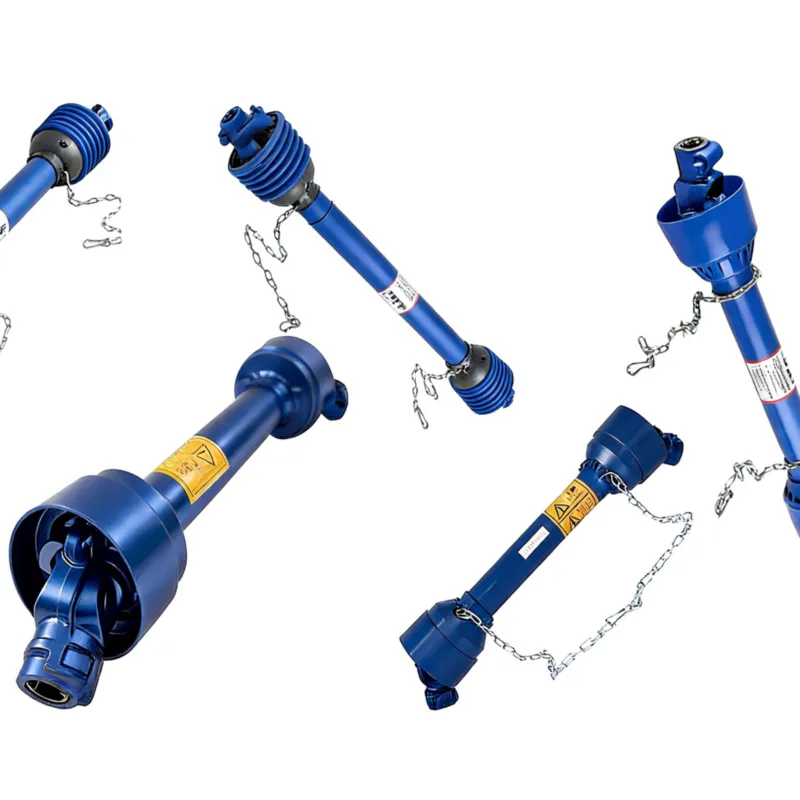
Heavy Duty PTO Shaft
Perfect for power transfer to loader-mounted attachments like mowers or blowers.
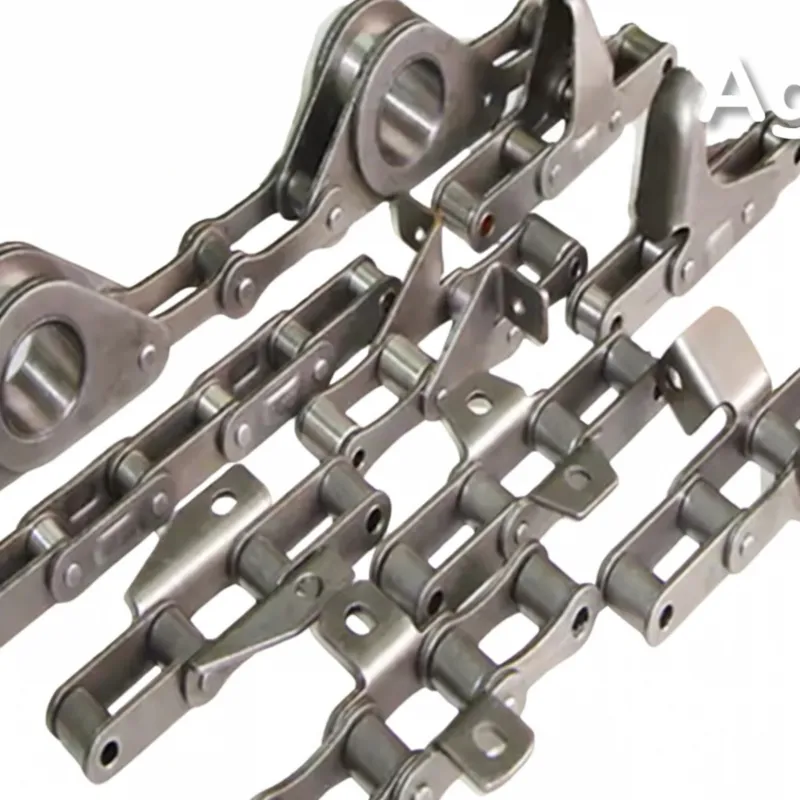
Precision Agricultural Chain
High-tensile chains for loader elevators and conveying systems in palm oil processing.
Industrial Grade Sprocket
Hardened sprockets designed to match our chain sets for synchronized movement.
FAQ
What is the primary benefit of a hub reduction gearbox in Colombian coffee plantations?
How do I know if this agricultural gearbox is compatible with my John Deere loader?
Can these gearboxes handle the high humidity of the Colombian Pacific coast?
What lubrication frequency is recommended for heavy-duty loader operation?
Does AgriculturalGearbox.xyz offer technical support for installation in remote Colombian regions?
What is the difference between single-stage and double-stage hub reduction?
Are the internal gears replaceable if one tooth breaks?
How does your gearbox price compare to original OEM parts in Colombia?
Can I use standard gear oil, or is a specific additive required?
What is the lead time for shipping a custom-ratio gearbox to Colombia?
Editor: PXY