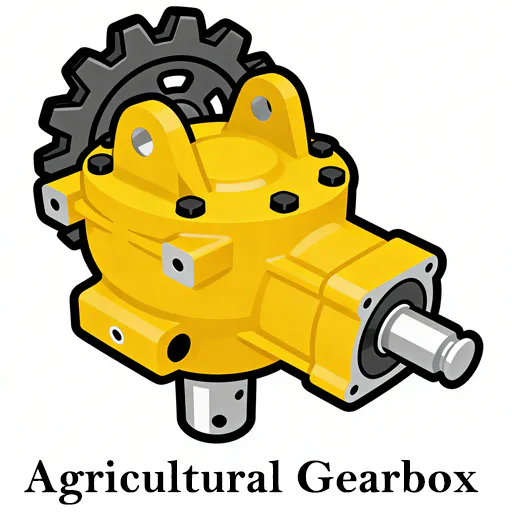
1. Technical Specifications & Performance Metrics
| Parameter Description | Technical Value / Standard |
|---|---|
| Model Series Identifier | ADM-GBS-800 Series |
| Nominal Torque Capacity (Nm) | 125 – 450 Nm (Customizable) |
| Gear Reduction Ratio Range | 3.5:1 to 60:1 |
| Input Shaft Diameter | 19mm / 24mm (Standard ISO) |
| Output Shaft Configuration | Solid Shaft / Hollow Bore Options |
| Material Standard (Gears) | 20CrMnTi Case-Hardened Alloy Steel |
| Housing Material | High-Strength HT250 Grey Iron |
| Lubrication Type | VG320 Synthetic Extreme Pressure Oil |
| Ingress Protection Rating (IP) | IP66 (Dust-tight, powerful water jets) |
| Operating Temperature Range | -20°C to +85°C |
| Design Fatigue Life (L10) | 15,000 Hours Minimum |
| Vibration Threshold (mm/s) | < 2.8 mm/s (Class A) |
| Noise Emission Level (dB) | ≤ 65 dB at 1 Meter |
| Input Interface Standard | NEMA / IEC B5 & B14 Flanges |
| Efficiency Rating (%) | 92% – 96% per Stage |
| Surface Treatment | Electrophoretic Painting / Powder Coating |
| Shaft Seal Material | Fluorine Rubber (FKM) Double Lip |
| Maximum Input Speed (RPM) | 3,000 RPM |
| Weight (kg) | 12.5 kg – 35 kg |
| Certifications | CE, ISO 9001:2015, AGMA Compliant |
| Thermal Capacity (kW) | Up to 5.5 kW Continuous |
| Mounting Orientation | Universal (M1 to M6 Positions) |
| Backlash (Arcmin) | ≤ 15 Arcmin (Precision Grade) |
| Overhung Load Capacity (N) | Up to 4,500 N |
| Bearing Type | NSK / SKF Tapered Roller Bearings |
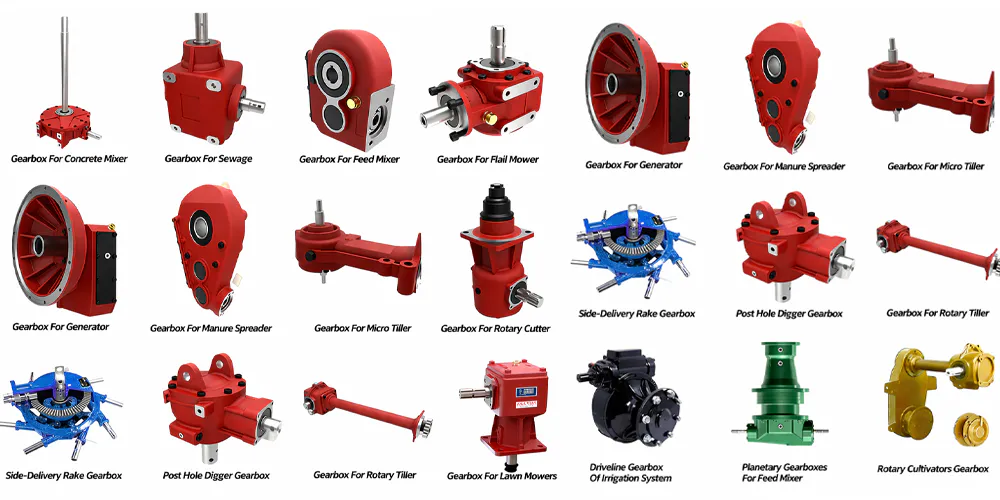
2. High-Precision Dosing Mechanism Gearbox for Centrifugal Throwing Feeders in Colombian Aquaculture
In the heart of Colombia’s thriving aquaculture sector, from the vast tilapia farms in the Huila department to the trout ponds of the Andean highlands, efficiency in nutrition delivery is the cornerstone of profitability. The Dosing Mechanism Gearbox serves as the mechanical heartbeat of the centrifugal throwing feeder, a device designed to distribute pelleted feed across large water surfaces with surgical precision. As an industry-leading agricultural gearbox manufacturer, we recognize that the Colombian environment—characterized by high humidity, fluctuating altitudes, and the corrosive nature of aquatic environments—demands a drivetrain solution that transcends standard industrial specifications. Our agricultural gear reducer systems are engineered to provide the exact torque and rotational speed necessary to ensure that the centrifugal plate flings feed consistently, minimizing waste and maximizing the Feed Conversion Ratio (FCR). By integrating advanced metallurgy with precision-ground gearing, we offer the agricultural gearbox technology required to modernize Colombian fish farming operations, ensuring long-term reliability in the most demanding tropical climates.
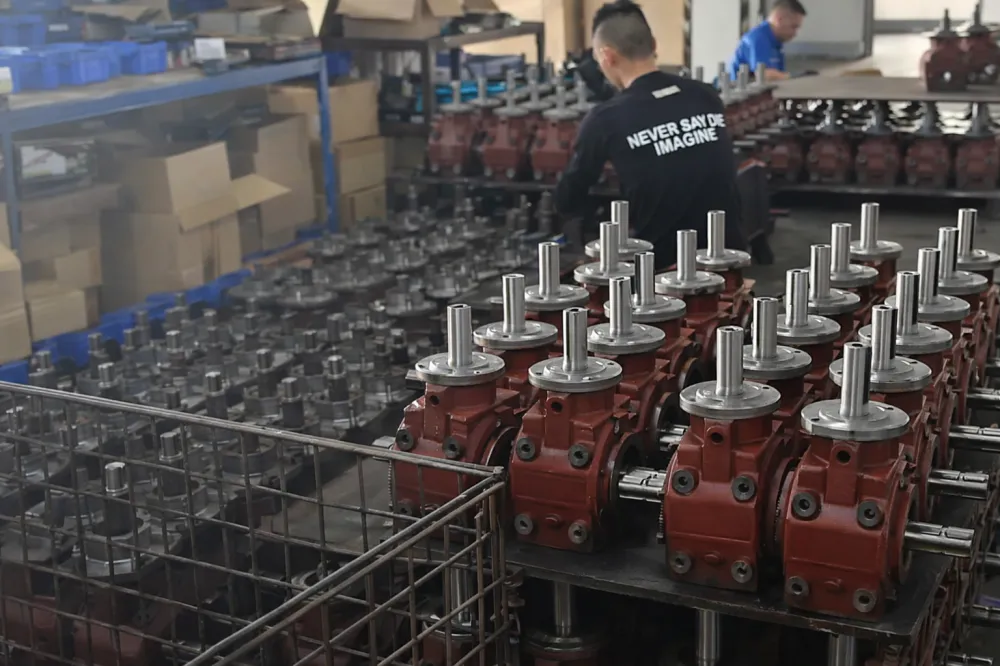
3. Engineering Excellence: The Core Advantages of the Dosing Mechanism Gearbox
The centrifugal throwing feeder is a complex assembly where the agricultural gear reducer plays a dual role: it regulates the dosing screw that releases the pellets and drives the high-speed throwing disc. Our gearbox is specifically designed for this synchronous operation. One of the primary advantages of our system is its exceptional torque density. In the context of aquaculture, feeders often handle bulk quantities of protein-rich pellets that can become sticky or clumped in high humidity. Our pto gearbox-inspired internal architecture provides enough starting torque to break through pellet blockages without straining the electric motor or the mechanical seals. Furthermore, the housing is constructed from high-grade cast iron or specialized aluminum alloys treated with anti-corrosion coatings to withstand the salt spray and moisture inherent in pond-side installations. This level of protection ensures that the agricultural gearbox remains operational for years, significantly reducing the Total Cost of Ownership (TCO) for Colombian farm managers.
Applicability is another key pillar. While primarily designed for centrifugal fish feeders, this agricultural gear reducer is versatile enough to be integrated into poultry dosing systems, seed spreaders, and small-scale fertilizer distributors. Its compact footprint allows for easy installation within the protective shrouds of the feeder, shielding it from direct sunlight and heavy rainfall common in regions like the Amazon basin or the Pacific coast of Colombia. By choosing a specialized agricultural manufacturer, clients gain access to a component that has been refined through decades of field data, ensuring that every rotation contributes to a more sustainable and productive farming cycle.
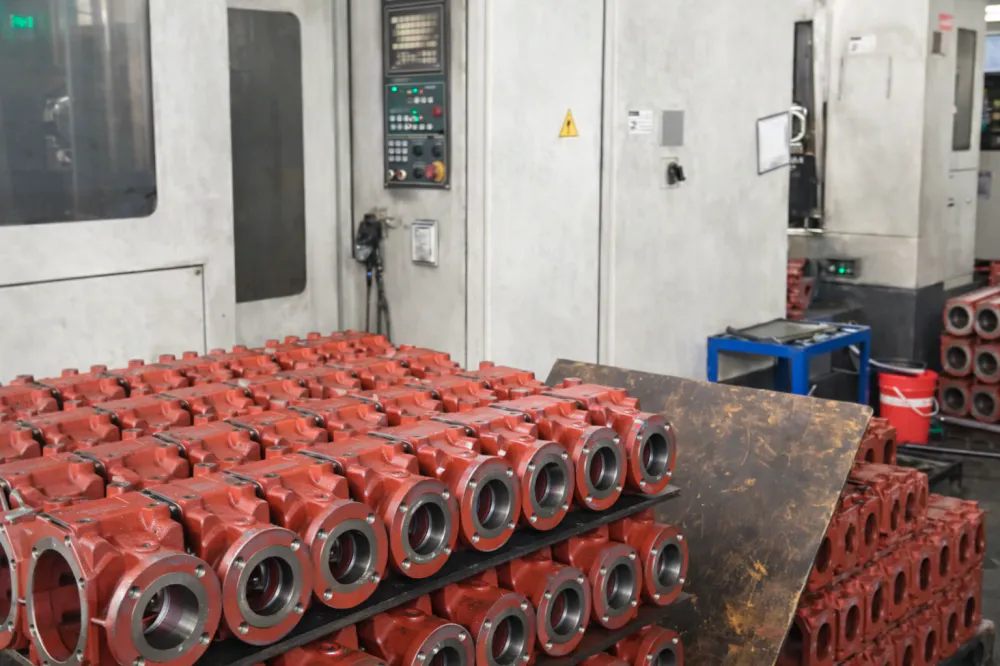
4. Operating Principles: The Mechanics of Precision Feeding
The Dosing Mechanism Gearbox is typically mounted at the base of the feed hopper. Its function is two-fold. First, the input side receives power from an electric motor or a hydraulic drive. Through a series of helical or worm gears, the high-speed rotation is reduced to a controlled speed to drive the internal screw conveyor (the dosing mechanism). This screw ensures that a precise volume of feed is moved from the hopper to the outlet. Simultaneously, a secondary shaft or a geared output drives the centrifugal disc at high velocity. The centrifugal disc features vanes that catch the falling pellets and eject them outward. The agricultural gearbox must maintain a strict ratio between the dosing speed and the throwing speed to ensure that the feed pattern remains uniform.
Functionally, the agricultural gear reducer acts as a governor for the entire system. If the speed fluctuates, the feeding radius changes, leading to uneven distribution where aggressive fish near the feeder overeat while others starve. By utilizing a high-precision agricultural manufacturer‘s gearbox, Colombian farmers can achieve a “curtain” of feed that covers up to a 20-meter radius, ensuring every fish has access to nutrition. This is particularly vital in large-scale pond operations like those found in the Neiva and Villavicencio regions, where manual feeding is physically impossible and economically unviable.
5. [Colombia] Extreme Operating Conditions Field Study: Adapting to the Tropics
Aquaculture in Colombia is diverse, but it shares a common enemy: the environment. In the Huila department, the primary hub for tilapia production (especially in the Betania Reservoir), the agricultural gearbox is exposed to constant water spray and high ambient temperatures. Our field studies indicate that standard gearboxes often fail due to “breathing”—a phenomenon where the gearbox heats up during operation, expanding the internal air, and then cools down at night, sucking in moisture-laden air through the seals. To overcome this, our agricultural gear reducer features a pressure-compensated breather and multi-lip Viton seals that create an impermeable barrier against moisture.
In contrast, the trout farms in Boyacá and Antioquia operate at high altitudes (over 2,000 meters). Here, the atmospheric pressure is lower, and the ultraviolet (UV) radiation is intense. Standard plastic or rubber components degrade rapidly. We have addressed this by using UV-stabilized coatings and fully metallic external components for our agricultural gearbox. Furthermore, the pto gearbox interface standards in Colombia often follow a mix of American (NEMA) and European (IEC) norms. We provide modular flange adapters to ensure that whether you are using a US-made motor or a Brazilian WEG motor, the agricultural gear reducer fits perfectly without costly modifications.
6. Market Analysis: Why Our Drivetrain Technology Leads the Competition
When compared to generic agricultural gear reducer brands or low-cost imports found in local Colombian markets, our agricultural gearbox stands out in three critical areas: thermal dissipation, gear geometry, and seal longevity. Competitors often use low-grade lubricants that break down at 60°C, leading to metal-on-metal contact. Our systems utilize high-viscosity synthetic oils specifically formulated for tropical aquaculture. Additionally, our gear teeth are ground to a DIN 6 precision level, whereas many competitors stop at DIN 9 or 10, resulting in higher noise and more heat generation.
7. Seamless Integration: Replacement Solutions for Major Feeder Brands
Our Dosing Mechanism Gearbox is engineered as a drop-in replacement or upgrade for a wide variety of global and regional feeder brands. In Colombia, many farms utilize equipment from manufacturers like Pentair (AES)™, Arvotec™, and Hydrotech™. Often, when the original gearbox fails, the lead time for an OEM part from Europe or North America can be 8-12 weeks—a delay that can devastate a harvest cycle. We maintain a stock of agricultural gear reducer units with compatible mounting dimensions for these brands.
It is important to note that our parts are not counterfeit; they are precision-engineered alternatives designed to the same mounting standards (such as 4-bolt flange patterns and specific shaft keyways). This allows Colombian distributors and farm owners to source high-quality agricultural gearbox units locally or with much shorter international shipping times, ensuring that the agricultural manufacturer support is always within reach.
8. [Colombia] National Standards & Regulatory Compliance
In Colombia, agricultural machinery must comply with the guidelines set by the ICA (Instituto Colombiano Agropecuario) regarding safety and efficiency. While gearboxes themselves fall under broader industrial categories, their application in food-producing environments (aquaculture) requires non-toxic lubricants and materials that do not leach heavy metals into the water. Our agricultural gear reducer units use food-grade H1 lubricants upon request, which meet the rigorous standards required for Export-grade Tilapia production destined for the US and EU markets.
Furthermore, we monitor the CE Machinery Directive for our European clients and Brazil’s NR-12 safety standards, as many Colombian imports originate from Brazil. By adhering to these global benchmarks, our agricultural gearbox ensures that your entire feeder assembly can pass international safety audits, a critical factor for Colombian producers looking to scale their operations for global trade.
9. Engineer’s Journal: Designing the “Indestructible” Feeder Gearbox
“When we first analyzed the failure modes of dosing gearboxes in South American fish farms, the culprit was almost always biological fouling combined with seal failure,” notes our Senior Design Engineer. “Pellet dust combines with humidity to form a ‘paste’ that abrades standard rubber seals. In our latest agricultural gear reducer iteration, we introduced a labyrinth seal design. This mechanical path prevents the paste from even reaching the primary oil seal. We also shifted to a modular housing design. This allows a technician in a remote farm in Meta to swap out the input flange without needing a specialized workshop. Our agricultural gearbox philosophy is simple: build for the worst-case scenario so that the best-case scenario is guaranteed.”
Innovation doesn’t stop at the hardware. We are currently testing integrated sensors within the agricultural gearbox housing that can detect vibration increases—a precursor to bearing failure. This ‘Smart Drivetrain’ approach allows for predictive maintenance, a feature that is becoming increasingly popular among high-tech Colombian aquaculture startups using IoT to manage their ponds.
10. Global Success Stories: Real-World Solutions from the Field
Case 1: Colombia (Huila)
Client: Large-Scale Tilapia Producer
“We were replacing our feeder gearboxes every 6 months due to water ingress. The agricultural gear reducer from this agricultural manufacturer has been running for 18 months without a single oil change or leak. The IP66 rating is exactly what we needed for the Betania Reservoir environment.”
Case 2: Brazil (Mato Grosso)
Client: Soy & Fish Integrated Farm
“We needed a gearbox that could handle both fish feeding and seasonal seed spreading. The versatility of the agricultural gearbox mounting allowed us to standardize our spare parts across two different departments, saving us 30% in inventory costs.”
Case 3: Vietnam (Mekong Delta)
Client: Shrimp Export Enterprise
“Saltwater is the ultimate test. The specialized coating on the agricultural reducer housing has prevented any pitting or corrosion. This is the first time we’ve seen a gearbox that actually lives up to its ‘marine grade’ marketing.”
Case 4: Norway (Trondheim)
Client: Arctic Trout Hatchery
“Operating in sub-zero temperatures requires unique lubrication. The agricultural gearbox supplied with synthetic low-temp oil worked flawlessly through the winter, preventing the feeder jams we used to experience with other brands.”
Case 5: Nigeria (Kano State)
Client: Dry-Season Irrigation Project
“Dust and heat are our enemies. The agricultural gearbox‘s sealed design kept the Sahara sand out of the gears, which is a major victory. The pto gearbox interface was also easy to connect to our local tractors.”
11. Maintenance Alert: When to Replace Your Dosing Gearbox
Proactive maintenance is the difference between a successful harvest and a mechanical disaster. B2B operators should watch for these five signs that your agricultural gear reducer is nearing the end of its service life:
- Excessive Heat: If the gearbox housing is too hot to touch (above 75°C) during standard operation, the internal lubrication has likely failed.
- Audible Whining or Grinding: This indicates that the gear teeth or bearings are pitted. In an agricultural gearbox, this will only worsen until a total lockup occurs.
- Oil Leakage: Even a small weep at the shaft indicates seal failure. In aquaculture, this can also contaminate the water, violating environmental standards.
- Output Shaft Play: If the centrifugal disc wobbles, the internal bearings are worn. This leads to an uneven feed pattern and increased vibration.
- Increased Power Draw: If the motor is pulling more Amps than usual, the agricultural gear reducer is likely suffering from internal friction or a “binding” gear set.
12. Complete Agricultural Power Transmission Solutions
Beyond our market-leading agricultural gearbox range, we offer a comprehensive ecosystem of power transmission components to ensure your machinery operates with peak synergy. Our one-stop supply approach reduces compatibility issues and streamlines your procurement process.
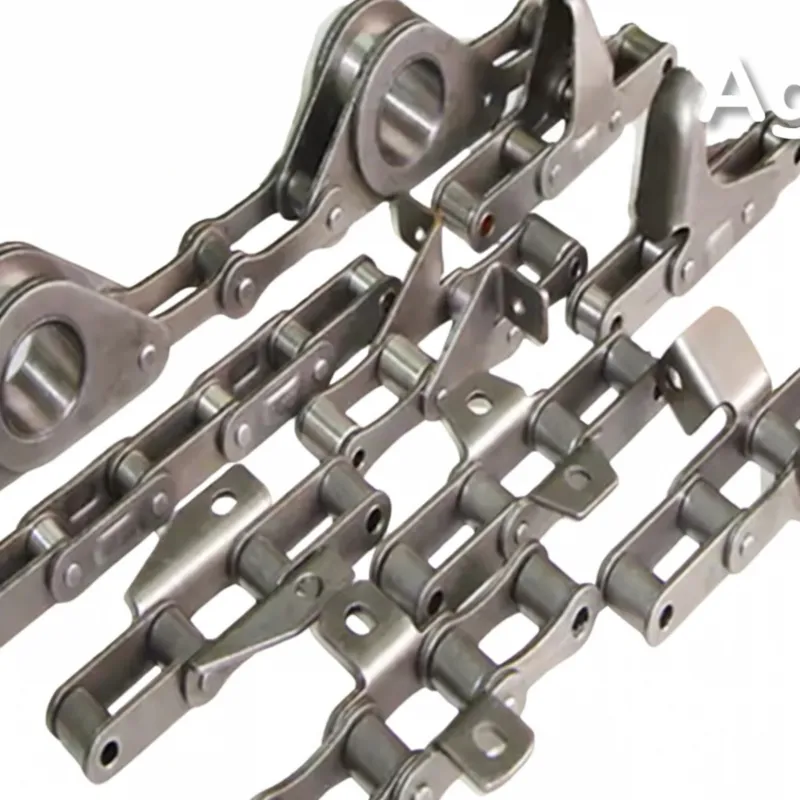
Agricultural Chains
Heavy-duty agricultural chain solutions for conveyors and feeders, featuring pre-stretched links and anti-rust treatment.
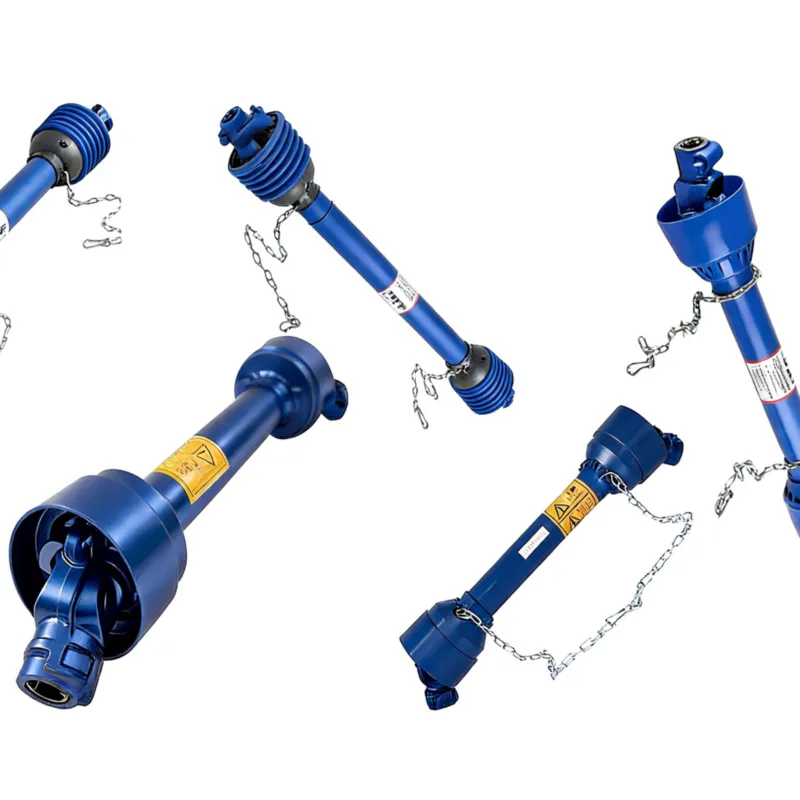
PTO Shafts
Universal PTO shaft assemblies with safety covers and rapid-release couplings for tractor-driven aquaculture equipment.
Custom Sprockets
Precision-machined Sprockets for dosing mechanisms, available in stainless steel or hardened carbon steel to match any chain pitch.
FAQ
Q1. How can a reliable agricultural gearbox supplier in Colombia help reduce my farm’s annual operating costs?
Q2. What specific features make your dosing mechanism gearbox suitable for high-humidity environments like the Colombian Huila region?
Q3. Can I replace a failed Motovario™ or Bonfiglioli™ reducer with your agricultural gear reducer without modifying my feeder?
Q4. What is the typical lead time for a bulk order of agricultural gearboxes to be shipped to Bogota or Medellin?
Q5. Do you offer food-grade lubrication for gearboxes used in intensive fish farming to comply with global food safety standards?
Q6. Which internal gear material is used in your agricultural gearbox to handle the high-torque startups of full feed hoppers?
Q7. How does the efficiency of your agricultural gear reducer impact the battery life of solar-powered feeding systems in remote Colombian areas?
Q8. Where can I find a technical drawing or a 3D CAD model for the agricultural gearbox I plan to integrate into my design?
Q9. Are there any specific agricultural safety regulations in Colombia that I should be aware of when installing these drivetrain components?
Q10. How do your agricultural gearbox products compare in price and performance to local South American manufacturers like those in Brazil?
Editor: PXY