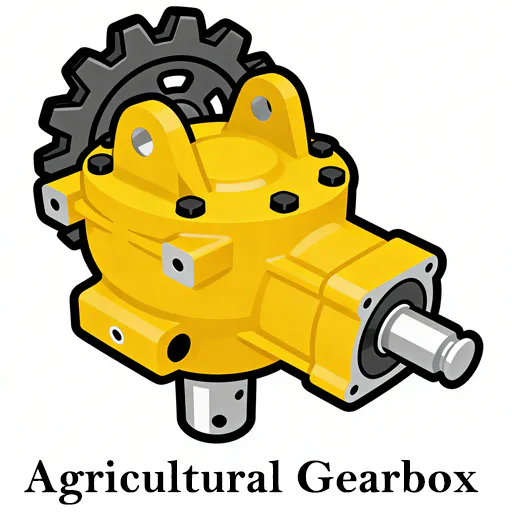
1. Technical Parameters Overview (Wheel Gearbox Specifications)
| Parameter Description | Specifications / Value |
|---|---|
| Final Drive Torque Capacity (Nm) | 6,500 Nm (Dynamic) / 9,000 Nm (Static) |
| Reduction Ratio | 50:1 / 52:1 (Variable options available) |
| Output Shaft Material | High-Strength Forged Alloy Steel (42CrMo) |
| Gear Housing Material | Ductile Iron (Grade 65-45-12) |
| Input Shaft Diameter | 1.0 inch (25.4mm) with Keyway |
| Output Shaft Diameter | 2.25 inches (57.15mm) |
| Lubrication Type | Full Synthetic Gear Oil (EP Grade) |
| Protection Rating (IP) | IP66 (Dust-tight and High-pressure water resistant) |
| Working Temperature Range | -10°C to +85°C (14°F to 185°F) |
| Worm Material | Carburized Steel (Case Hardened HRC 58-62) |
| Worm Wheel Material | High-Strength Manganese Bronze |
| Bearing Type | Tapered Roller Bearings (Heavy Duty) |
| Efficiency Rating | Up to 92% |
| Fatigue Life (Hours) | Over 25,000 Hours of Operation |
| Mounting Interface | Universal 4-Bolt Pattern (Industry Standard) |
| Seal Design | Multi-Lip Viton Seals with Stainless Springs |
| Weight (kg) | Approx. 42 kg (92 lbs) |
| Standard Compliance | ISO 9001, AGMA Class 9-10 |
| Noise Level (dB) | < 75 dB at 1 meter |
| Vibration Threshold | < 2.5 mm/s RMS |
| Corrosion Protection | Dacromet Coated Hardware / Epoxidized Primer |
| Input HP Capacity | Up to 1.5 HP (0.75 kW – 1.1 kW) |
| Oil Capacity (Liters) | 3.2 Liters (Initial Fill) |
| Input Shaft Type | Dual Shaft (Universal Thru-Drive) |
| Gasket Material | Nitril-Butadiene Rubber (High Density) |
| Shaft Hardness | Surface Hardened 50-55 HRC |
| Radial Load Capacity | Up to 35,000 N |
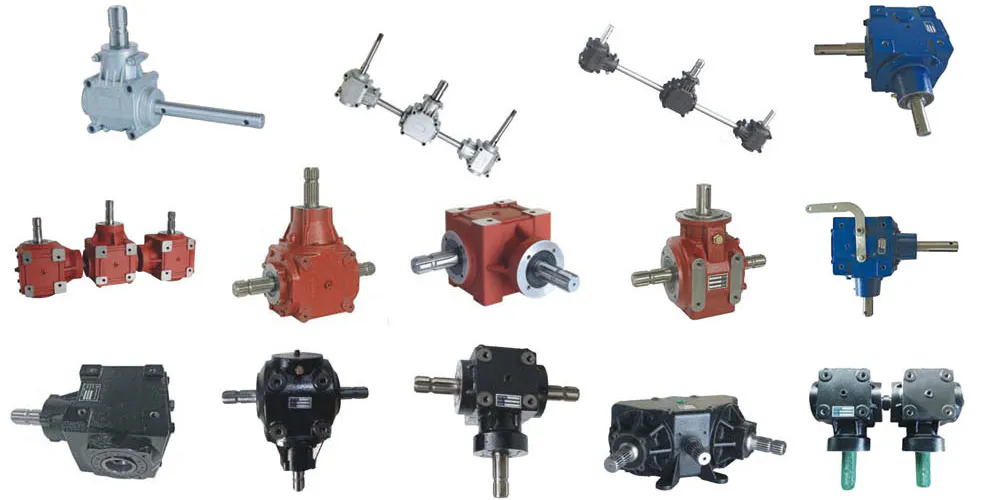
2. Advanced Wheel Gearbox Solutions for Center Pivot Irrigation in Colombia: An Engineering and Operational Deep Dive
In the vast agricultural landscapes of Colombia, from the rice fields of Tolima to the sugarcane plantations in the Cauca Valley, the reliability of irrigation systems is the heartbeat of productivity. The Wheel Gearbox stands as the critical mechanical component that translates electrical or hydraulic energy into the slow, steady torque required to move massive center pivot structures across diverse terrains. At agriculturalgearbox.xyz, we understand that a gearbox is not just a part; it is an investment in food security and operational efficiency. This article explores the intricate engineering, regional compliance, and operational excellence of our agricultural gear reducer systems specifically designed for the Colombian market.
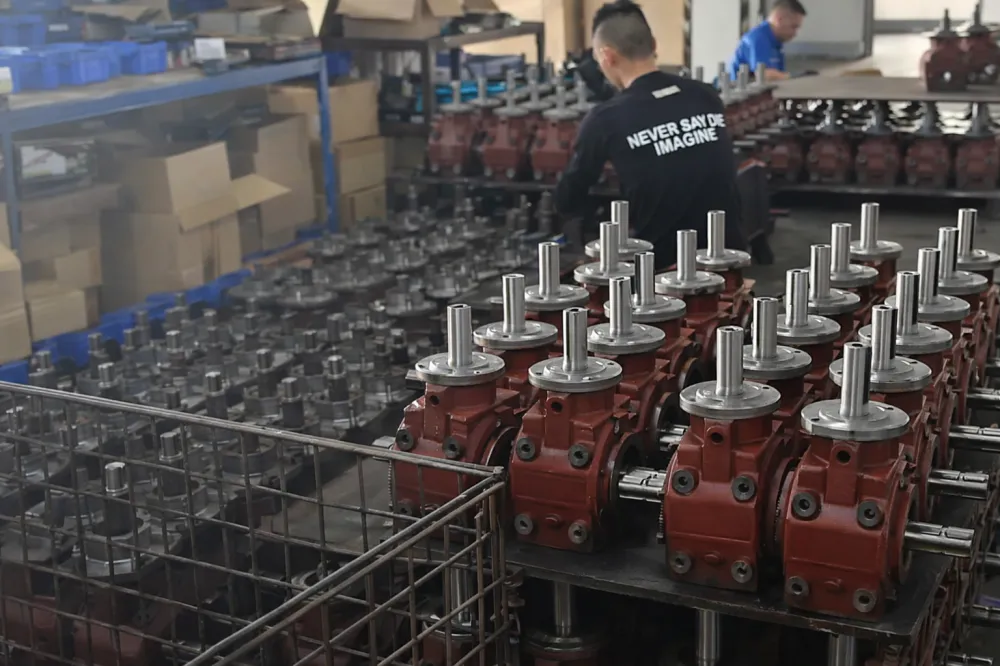
3. [Colombia] Extreme Operating Conditions Field Study: Tolima and Huila Terrain Analysis
Colombia presents unique challenges for center pivot irrigation. The topography is rarely perfectly flat, often featuring volcanic soils that become incredibly sticky when wet (locally known as ‘barro pegajoso’) and hard as concrete when dry. In the departments of Huila and Tolima, temperature fluctuations between day and night can cause significant thermal expansion and contraction in mechanical components. A standard wheel gearbox might fail under these stresses due to seal degradation or gear tooth fatigue. Our engineering team has conducted extensive field studies in these regions to ensure our wheel gearbox designs account for high moisture levels, varying soil resistance, and the specific torque curves required to navigate the undulating plains of the Magdalena River valley.
The humidity in regions like Meta and Córdoba poses a constant threat of internal condensation within the gearbox housing. This moisture can emulsify the lubrication oil, leading to accelerated wear of the worm gears and bearings. To combat this, our Colombian-spec gearboxes feature advanced pressure-equalizing expansion chambers and high-grade synthetic lubricants that maintain viscosity even under the intense tropical sun. We don’t just provide a generic product; we provide a localized solution that understands the Colombian farmer’s daily struggle against the elements.
4. Anatomy and Working Principle of the Irrigation Wheel Gearbox
A wheel gearbox in a center pivot system serves as the final reduction unit that drives the wheels. It is typically mounted to the base beam of each tower. The core principle involves a high-ratio worm gear reduction system. The motor (usually a 480V three-phase electric motor) drives an intermediate center drive gearbox, which then transfers power through drive shafts to the wheel gearboxes located at the ends of the base beam. This two-stage reduction is necessary to convert high-speed motor rotation into the extremely slow, high-torque movement needed to prevent soil compaction and ensure even water distribution.
The internal assembly consists of a hardened steel worm and a bronze or ductile iron gear wheel. This combination is chosen for its self-locking characteristics (which prevent the pivot from rolling downhill when power is cut) and its ability to absorb the shock loads generated when the wheels encounter rocks or deep ruts. The output shaft of the wheel gearbox is directly bolted to the wheel rim. Because the entire weight of the tower—including the span, the water-filled pipe, and the drive unit—rests on these gearboxes, the bearings must be engineered for massive axial and radial loads. We use oversized tapered roller bearings that are precisely shimmed to maintain perfect gear alignment even under maximum load conditions.
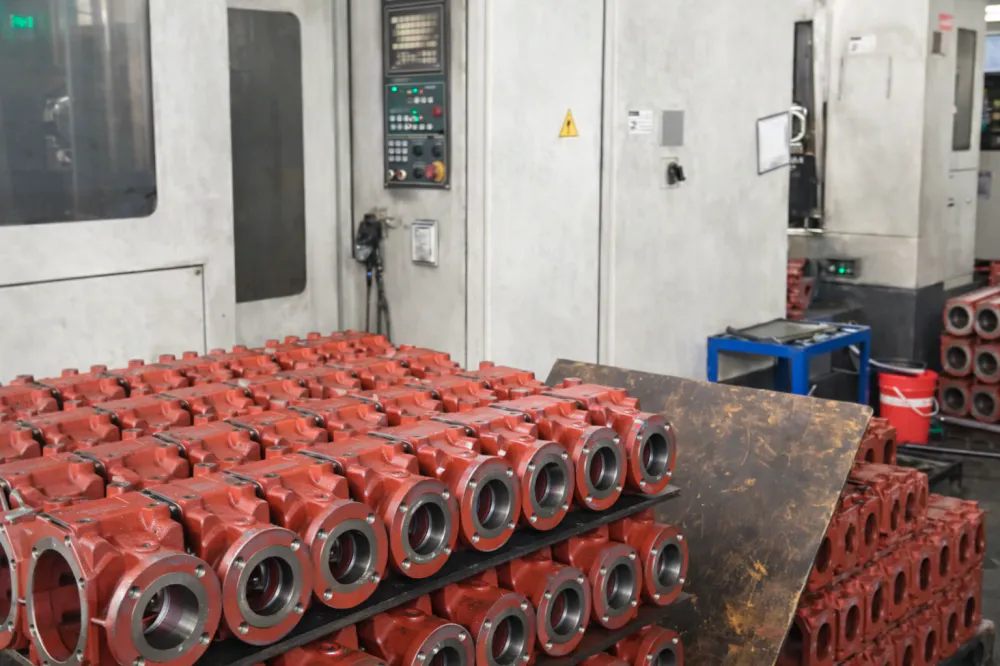
5. Performance Requirements for the Colombian Agricultural Sector
To succeed in the Colombian market, an agricultural gear reducer must possess several key performance attributes. First and foremost is soil adaptability. In the Llanos Orientales, the sandy soils require high-speed movement to avoid sinking, whereas the heavy clay soils of the Andean valleys require massive torque to overcome friction. Our gearboxes are designed with a universal torque curve that handles both extremes. Secondly, chemical resistance is vital. Colombian farmers frequently utilize fertigation (fertilizer application via irrigation water). The chemicals used can be highly corrosive to standard cast iron and rubber seals. Our wheel gearboxes are treated with specialized anti-corrosion coatings that resist the acidic nature of many common fertilizers.
Furthermore, the thermal stability of the gearbox is critical. During the dry season (Verano), ambient temperatures in the Caribbean coast regions can exceed 40°C. If a gearbox cannot dissipate heat effectively, the oil will break down, leading to “metal-to-metal” contact and catastrophic failure. We have optimized the housing fins to maximize surface area for air cooling, ensuring that the internal temperature remains within safe limits even during 24/7 peak-season operation. Reliability isn’t just a marketing term; it’s the difference between a successful harvest and a financial disaster for a B2B agricultural enterprise.
Engineer’s Field Notes: Overcoming Operational Friction in the Tropics
“During our 2024 technical audit in the Espinal region of Tolima, we encountered a client whose previous gearboxes were failing every 1,500 hours. The culprit was ‘creeping moisture’—humidity entering through the breather cap during the cool nights and condensing inside. We replaced their units with our dual-seal, expansion-chambered models. By shifting the internal pressure dynamics, we prevented the vacuum that sucks in moist air. After 4,000 hours of rice irrigation, the oil remains clear, and the gear wear is negligible. This is why material choice and seal engineering are the non-negotiables of tropical agricultural drivetrain design.”
6. Global Compliance and Local Regulation Integration
Operating in Colombia requires adherence to both local standards and international best practices. While Colombia does not have a specific “Wheel Gearbox Law,” the ICA (Instituto Colombiano Agropecuario) and SENA provide guidelines for machinery safety and efficiency. Globally, our products comply with the EU Machinery Directive (CE), which ensures that all rotating parts are shielded and that the materials used are environmentally safe. For our clients in Brazil, we meet INMETRO standards, and for those in India, we follow CMVR guidelines. This global expertise ensures that a Colombian farmer is receiving a product that is safe, efficient, and built to the highest world standards.
In terms of regional crop cycles, our gearboxes are timed for the Saskatchewan wheat harvest in Canada and the Kano dry-season irrigation in Nigeria, meaning we maintain inventory and support systems that understand the urgency of “seasonality.” In Colombia, the “Zafra” (sugarcane harvest) in Valle del Cauca requires machinery that can operate under heavy mud and high-intensity duty cycles. We ensure our gearboxes are compatible with mainstream brands like Valley, Lindsay (Zimmatic), and Reinke, which are prevalent across South America.
7. Brand Comparison & Compatibility (Reference Only)
Disclaimer: All manufacturer names, trademarks, and part numbers are used for identification and reference purposes only. Our products are engineered as compatible replacements and are not the products of the original equipment manufacturers.
| Feature | Our Agricultural Gearbox | Competitor (Standard) |
|---|---|---|
| Shaft Material | 42CrMo Forged Steel | Carbon Steel (Grade 45) |
| Seal Type | Triple-Lip Viton | Double-Lip Nitrile |
| Warranty Period | Extended B2B Support | Standard 1-Year |
8. Global Customer Stories: Real-World Impacts
Case 1: Brazil (Mato Grosso) – Soybean Mega-Farm
“The red clay here is brutal on drivetrains. We had constant shaft breakage during the peak growing season. After switching to the high-torque gearboxes from agriculturalgearbox.xyz, our downtime dropped by 85%. The 42CrMo shafts really make a difference.”
Case 2: USA (Nebraska) – Corn Belt Operations
“In Nebraska, we deal with extreme cold and heat. We needed a gearbox that wouldn’t leak when the temperature swings 30 degrees in a day. The expansion chamber design on these units is a lifesaver for our maintenance crews.”
Case 3: South Africa (Limpopo) – Citrus Irrigation
“Water is expensive and every minute counts. We replaced our old Zimmatic-style boxes with these universal units. They fit perfectly and the bronze worm gear is much quieter and smoother than the iron ones we used before.”
Case 4: Australia (Murray-Darling Basin) – Large Scale Pasture
“Salinity in the water was eating our gearboxes from the outside in. The Dacromet coating on these units has proven incredibly resistant. Two years in, and no signs of rust or pitting on the housing.”
Case 5: Colombia (Tolima) – Rice Plantation
“Our center pivots often run 24/7. We need a supplier who understands that we can’t wait weeks for a replacement. The compatibility with our existing systems made the transition seamless. These gearboxes are tough!”
9. Maintenance Guide: When to Replace Your Wheel Gearbox
A proactive maintenance strategy is essential for maximizing the lifespan of your agricultural gear reducer. Signs that a replacement is imminent include:
- Oil Contamination: If the gear oil looks milky or contains metal shavings, the seals have failed or the gears are grinding.
- Excessive Heat: If the gearbox is too hot to touch (above 85°C) during normal operation, internal friction is excessive.
- Visible Leakage: Oil stains on the tire or wheel rim indicate a primary seal failure on the output shaft.
- Structural Noise: Clunking or grinding sounds during movement indicate tooth damage on the worm wheel.
- Movement Lag: If one tower is lagging behind or moving jerkily, the gearbox efficiency has dropped below operational thresholds.
Frequently Asked Questions (FAQ)
Q1: How can I find the most reliable wheel gearbox supplier for my large-scale farm in Colombia?
Q2: What is the average wheel gearbox price for bulk orders in the South American market?
Q3: Which specific lubrication oil should I use for a center pivot gearbox in high-humidity regions?
Q4: How do I ensure my new wheel gearbox is compatible with my existing Valley or Zimmatic system?
Q5: Why is a manganese bronze worm wheel better than a standard cast iron one for irrigation?
Q6: Where can I get fast technical support if my pivot gearbox fails during the peak dry season?
Q7: What are the main causes of shaft breakage in heavy soil irrigation systems in Colombia?
Q8: How does a wheel gearbox with an expansion chamber prevent internal rust and gear damage?
Q9: Can I replace just the worm gear or should I replace the entire wheel gearbox unit?
Q10: What is the best way to protect my agricultural gearboxes from corrosion in coastal saline areas?
Editor: PXY